


 中文简体
中文简体Why the Rubber Track Defines a Multi Terrain Loader
When a multi terrain loader crosses a rain-soaked lawn, a freshly laid asphalt apron, or a gravel yard, the only part of the machine touching the ground is its rubber track. That single component decides whether the job is finished cleanly or the loader spends the afternoon being towed. The wide footprint spreads weight, provides flotation, and delivers traction that wheeled machines lose as soon as the ground softens.
But the same track that performs beautifully in mud can wear out quickly on hard surfaces if it was chosen for the wrong application. A loader track is not a generic part. It must match the undercarriage dimensions, suit the ground conditions the machine actually works in, and be maintained before small damage becomes an expensive failure. This guide explains how rubber tracks for multi terrain loaders are built, how to choose one correctly, and how track pads fit into a practical maintenance plan.
How Rubber Tracks for Multi Terrain Loaders Are Built
Rubber compound and tread pattern
The rubber compound in a track has two opposing jobs: it must resist cuts and abrasion on rock and gravel, yet stay flexible and grippy on wet grass and mud. In practice, compound hardness for loader tracks usually falls in the range of 55 to 65 Shore A. A softer compound grips better and damages surfaces less, but wears faster. A harder compound lasts longer but loses traction in wet conditions and transmits more vibration to the operator.
Tread pattern is just as important. Multi-bar treads give a smooth ride on firm ground and are common on machines that travel between jobs on paved roads. Deeper, more widely spaced lugs clean out mud and snow and suit soft terrain better. Many multi terrain loader tracks use a self-cleaning pattern that sheds debris as the track rotates, keeping flotation consistent in sticky conditions.
Steel cord reinforcement
Under the tread, longitudinal steel cables carry the real load. These cords stop the track from stretching under drive tension and keep the pitch accurate so the track engages the sprocket cleanly. If a cord breaks, the track develops a bulge, the run becomes uneven, and the damaged section fails quickly. The quality of the steel, the cable spacing, and the vulcanization process determine whether a track lasts 1,500 hours or fails at 600.
Choosing the Right Rubber Track for Your Loader
Dimensions: width, pitch, and link count
The first task is confirming the track's physical numbers: width, pitch, and the number of links, or the equivalent circumference for an endless track. Pitch is the distance between the drive lugs that engage the sprocket. Fitting a track with the right width but the wrong pitch is a common and expensive mistake, because the drive lugs skip, the track squeals and jumps, and both the track and the sprocket wear prematurely.
Check these numbers against the loader manufacturer's specification before ordering. If you are replacing a worn track, measure the old track before it is removed, or record the part number printed on the sidewall of the track.
Lug height and ride comfort
Taller lugs provide more bite in mud and snow, but they also create more vibration and noise on hard ground. A loader that spends part of each day on pavement rides noticeably better with a moderate lug height and more ground contact area. A machine that stays in fields can use a deeper lug without a ride penalty. Balancing these needs is one of the main reasons rubber tracks behave differently in different operating conditions, so choose based on a typical working week, not the muddiest day of the year.
Quality checks before you buy
- Ask how the track is cured and whether the whole track is vulcanized as one endless band.
- Confirm the cord material and whether the factory test-cuts tracks to inspect cord placement.
- Review the warranty terms and the evidence the manufacturer requires in case of a defect.
- Ask whether the factory can build to a custom size or compound if your machine is non-standard.
Buying from a manufacturer that mixes its own rubber and forms its own steel frames makes these answers easier to verify. That vertical control is the reason many loader owners and equipment dealers source undercarriage parts directly from a factory rather than through a trading company.
Track Pads: Protecting the Undercarriage on Mixed Surfaces
Multi terrain loaders rarely stay on one surface all day. A typical day can start on soft ground, cross a concrete yard, and finish on a gravel road. Mixed duty is hard on the undercarriage and on the operator. Rubber track pads are the practical answer for machines that run on steel shoes or that need extra protection when crossing hard ground.
A rubber track pad is a replaceable rubber segment that fixes to a steel track shoe and keeps rubber between the steel and the ground. Depending on the mounting system, pads can be bolt-on, chain-on, or clip-on. They reduce ground damage on asphalt, lower vibration, and, because they are cheaper to replace than a full track, they protect the most expensive part of the undercarriage.
Comparing the three mounting systems
| Mounting | Fix method | Best working surface | Removal effort |
|---|---|---|---|
| Bolt-on | Bolted directly to the track shoe | Asphalt, concrete, mixed yard work | Moderate; wrench required |
| Chain-on | Chains wrap around the track and pad | Soft fields, snow, anti-vibration duties | Quick; no special tools |
| Clip-on | Clips grip the edge of the steel shoe | Agricultural and light-duty jobs | Fast and reversible |
For a loader that works on asphalt and firm ground, all-terrain bolt-on rubber track pads provide a durable, positive fixing that will not work loose under heavy traction. The bolted connection spreads the wear load evenly and suits machines that travel at higher speeds between work areas.
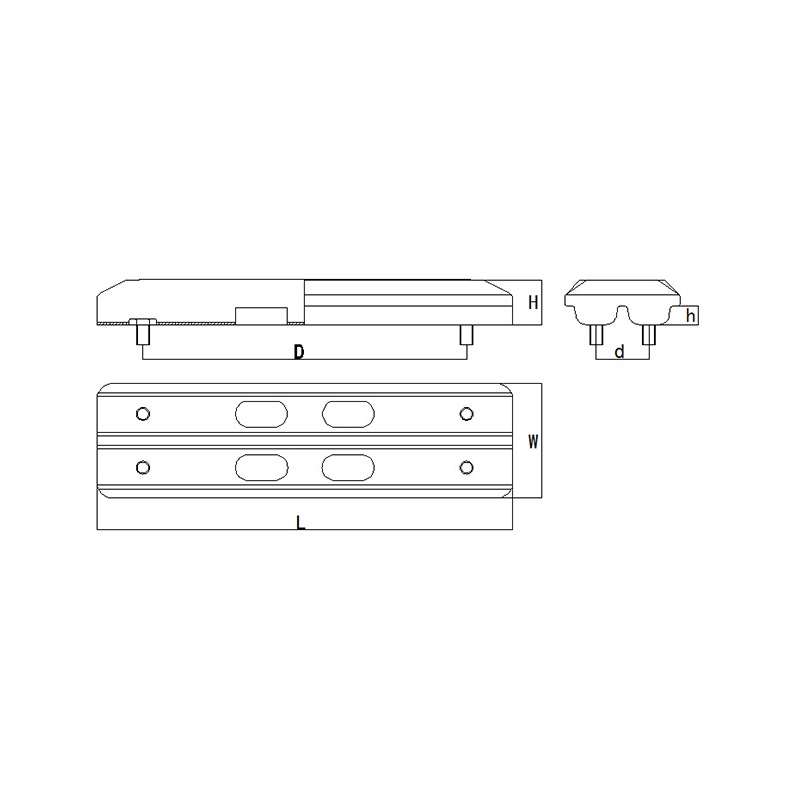 Wholesale 500BA All-Terrain Bolt-On Rubber Track Pads Suppliers, Factory - ZhejiZhejiang Shuangniao Lifting Equipment Co., Ltd. is China wholesale 500BA All-Terrain Bolt-On Rubber Track Pads suppliers and factory,The ...View Product →
If your machine is chain-driven and vibration is the main complaint, anti-vibration chain-on rubber track pads reduce the rattling and jarring that straight lugs transmit to the cab and frame. The chain-on system is also the easiest to install and remove, which matters when the pads will be taken off for the off-road season. Field experience also shows that chain-on rubber track pads increase machine performance and longevity when chain tension and pad fit are checked regularly, because a properly seated pad keeps the steel shoe from striking the ground.
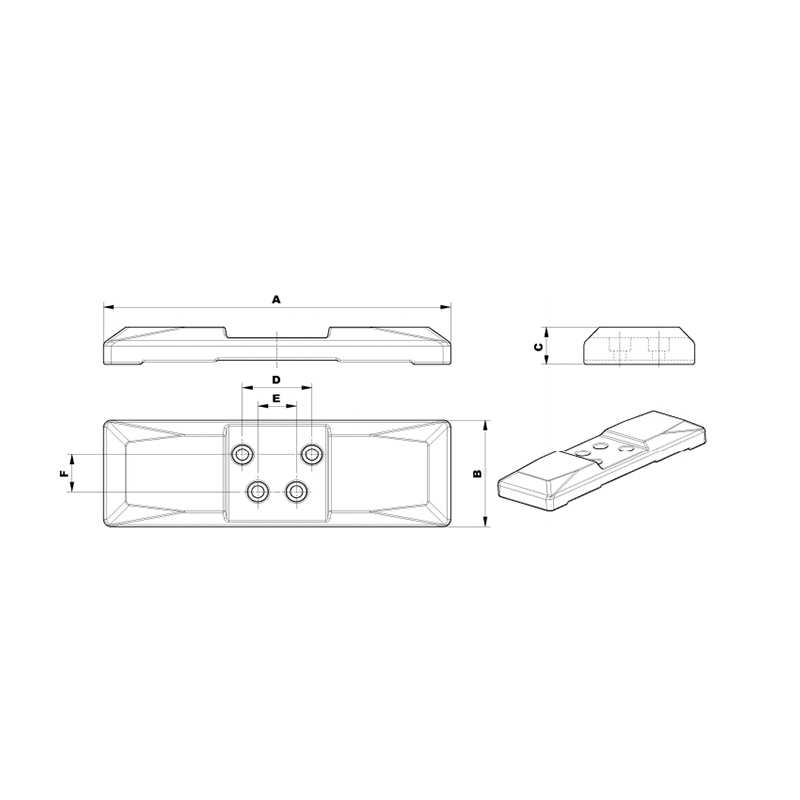 Wholesale 500CA Anti-Vibration Rubber Track Pads for Equipment Suppliers, FactorZhejiang Shuangniao Lifting Equipment Co., Ltd. is China wholesale 500CA Anti-Vibration Rubber Track Pads for Equipment suppliers and fac...View Product →
On farms and in landscaping, where loaders run at low speeds on wet grass and soft soil, clip-on rubber track pads for agricultural machinery add traction without changing the undercarriage geometry, and the clips can be removed in minutes when the job changes.
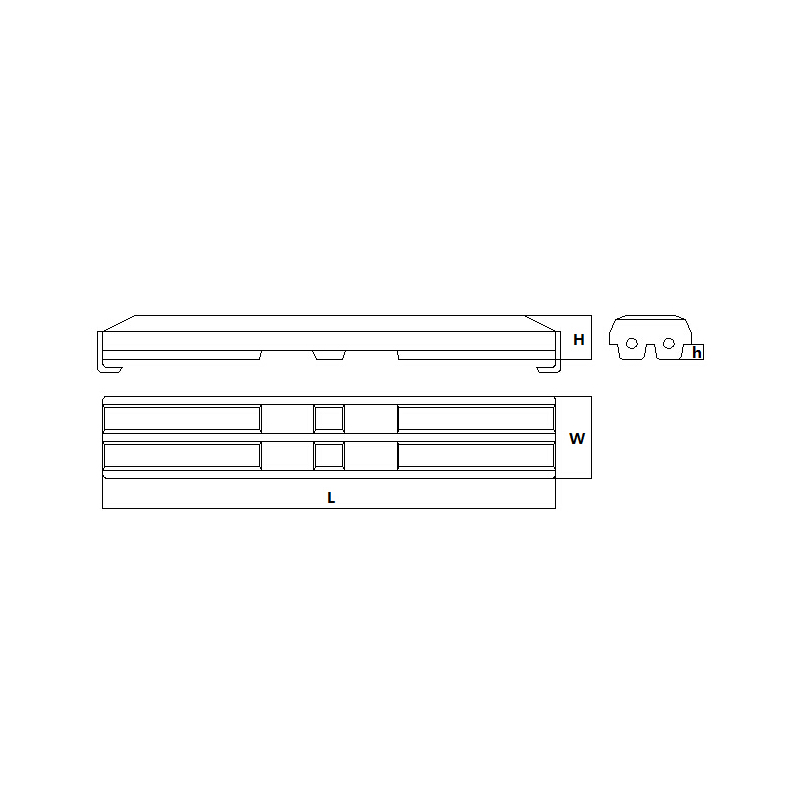 Wholesale 450HC Versatile Clip-on Rubber Track Pads for Agricultural Machinery SZhejiang Shuangniao Lifting Equipment Co., Ltd. is China wholesale 450HC Versatile Clip-on Rubber Track Pads for Agricultural Machinery s...View Product →
A fuller explanation of track pad types, benefits, and installation is worth reading before you decide between mounting systems. Because the pads sit between the steel and the ground, their wear pattern is also the first place to inspect when the machine starts riding differently.
Maintenance That Extends Track Life
Most premature track failures come from a small number of avoidable causes. A basic inspection routine is the cheapest way to keep a multi terrain loader working and to avoid an unplanned track replacement on site.
- Check track tension at the manufacturer's recommended interval. A track that is too loose skips teeth and wears the drive lugs; one that is too tight puts constant strain on the cords and bearings.
- Keep the undercarriage clean. Built-up mud and debris add weight, trap heat, and accelerate wear on bottom rollers and idlers.
- Inspect the lugs and sidewalls for cuts, cracks, and exposed cord. A small cut in the rubber can be monitored; exposed steel means the track should be scheduled for replacement soon.
- Retorque bolts on bolt-on pads after the first few hours of work and then at regular intervals, because rubber settles under load and bolt tension loosens.
- Store spare tracks out of direct sunlight and away from ozone sources such as electric motors, and keep them off bare concrete with a support that prevents flat-spotting.
When a Track or Pad Is Ready for Replacement
Replacing rubber tracks before failure is a matter of cost control. A machine that loses a track on a job loses a full day of production, often at an emergency parts price. Watch for these signs:
- Lug height worn to less than half of its original depth, reducing traction noticeably on slopes and soft ground.
- Visible cords or bulges on the underside, indicating that the reinforcement has been damaged.
- Cracks in the lug base or sidewall that grow wider over several inspections.
- The track no longer stays centered and repeatedly walks off the rollers.
- Vibration or squealing that correlates with sprocket skip, meaning the pitch is no longer accurate.
Track pads follow the same logic. When the rubber is worn to the point where the steel shoe is touching the ground, the pad has stopped protecting anything. Inspecting pads at the same time as the track keeps the whole undercarriage on one maintenance schedule.
Final Advice from a Rubber Track Parts Manufacturer
As a manufacturer of rubber track pads and undercarriage rubber parts, we see the consequences of poor track selection every week. Machines with mismatched pitch, tracks chosen for traction when the real problem was vibration, and pads left in service until the steel shoe hits the ground are all common and expensive mistakes.
The right approach starts with the loader manufacturer's dimensions, matches the compound and tread to the ground conditions you actually work in, and protects the undercarriage with the correct pad system. Keep the rubber in good condition, replace pads before the steel touches the ground, and a multi terrain loader will keep earning its name on whatever surface you point it at.


