


 中文简体
中文简体Tracked construction equipment works in some of the harshest conditions on a jobsite: mud, sand, gravel, steep grades, and wet concrete. Under all that abuse, the undercarriage carries the weight of the machine and absorbs nearly every shock. That is why construction equipment undercarriage maintenance is not an optional task. A few minutes of inspection each day and a planned maintenance routine can save thousands of dollars and keep excavators, dozers, and tracked loaders working when they are needed.
Why Construction Equipment Undercarriage Maintenance Matters More Than You Think
The undercarriage is often the largest single maintenance line item on a tracked machine. Industry estimates suggest that replacing a complete undercarriage can cost anywhere from $25,000 for compact excavators to more than $150,000 for large dozers. Well-maintained undercarriages regularly reach 4,000 to 6,000 hours of service life, while neglected ones can fail far earlier.
Poor undercarriage care does not just hurt your wallet. It also creates safety risks. A thrown track on a slope, a cracked roller that locks up at speed, or a track pad that separates from its steel base can turn a routine workday into an emergency. A structured maintenance plan protects both your equipment and your crew.
Know the Undercarriage Components That Wear Together
Every component in a track system is connected. When one part wears, it accelerates wear on its neighbours. That makes it important to understand what you are looking at during an inspection.
| Component | Role | Common Wear Sign |
|---|---|---|
| Track chain | Carries the machine around the track frame | Stretched pitch, cracked links |
| Bushings | Connect links and contact sprocket teeth | Flattened surfaces, oval wear |
| Sprockets | Drive the track chain | Sharp or hooked tooth profiles |
| Idlers | Guide the track and keep it aligned | Flaking metal, worn flanges |
| Rollers | Support machine weight | Flat spots, leaking seals |
| Rubber track pads | Protect metal parts and provide traction | Cracks, missing chunks, worn tread |
Because these components wear as a system, a slight change in one part can tell you about another. For example, an unusually sharp sprocket tooth profile often means the chain has stretched and needs attention before the sprocket is destroyed.
Daily Checks That Protect Your Track System
A daily walk-around is the cheapest undercarriage maintenance you can buy. It takes less than an hour and gives you a chance to catch small issues before they become major failures.
- Clean out mud, stones, and debris from the track frame and around sprockets.
- Look for loose, missing, or broken bolts and cap screws.
- Check track tension visually and by feel according to the manufacturer’s procedure.
- Inspect rubber track pads for deep cuts, uneven wear, or separation from the steel frame.
- Listen for unusual noises while moving the machine slowly.
On excavators, rubber track pads take some of the hardest punishment on the machine. A small crack can grow quickly once dirt and water get under the pad. When you see a pad that is loose, badly cracked, or missing material, replace it before it damages the track link surface underneath.
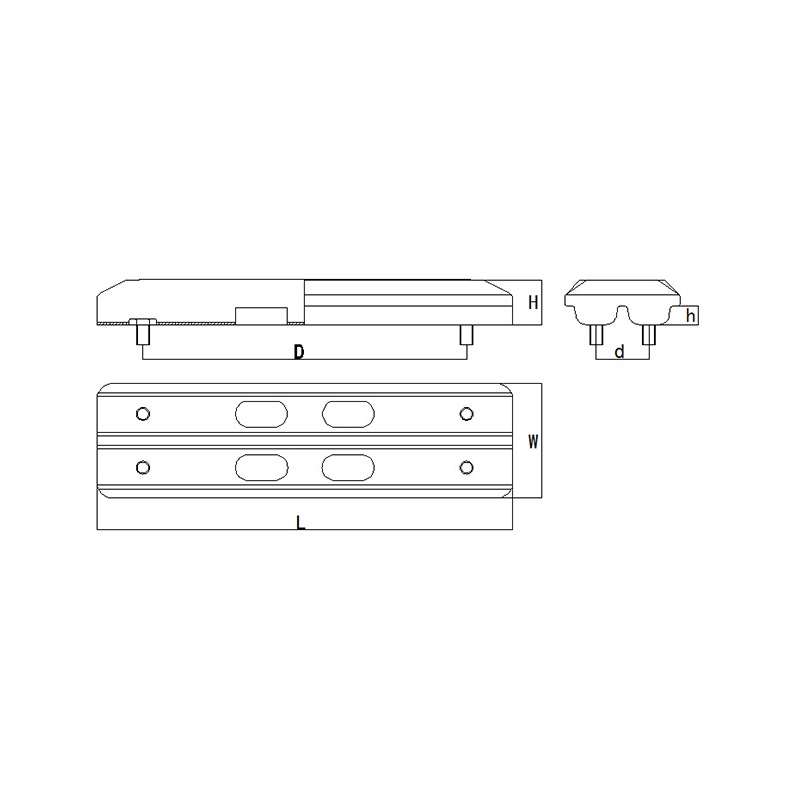 300BA Durable Bolt-On Rubber Track Pads for ExcavatorsOur 300BA Durable Bolt-On Rubber Track Pads for Excavators are a high-performance ground protection solution designed specifically for excavators. It perfectly combine...View Product →
For many excavator fleets, a durable bolt-on pad is a practical choice because it offers easy installation and dependable protection in mixed site conditions.
Set Track Tension Correctly, Then Check It Often
Track tension is one of the most important adjustments on tracked construction equipment. Check it every 10 to 15 operating hours, or at least once a week, depending on the jobsite.
- Too much tension creates extra load on the final drive, rollers, and sprockets, speeding up wear and reducing fuel efficiency.
- Too little tension allows the track to whip, throw off the sprocket, and put shock loads on the undercarriage frame.
- Correct tension keeps the track snug but still able to move freely over the carrier rollers.
Always use the equipment manufacturer’s recommended sag measurement rather than guessing. Measurements should be taken on level ground with the bucket or blade raised to take weight off the track.
Build a Weekly and Monthly Undercarriage Maintenance Rhythm
Daily checks keep small problems visible, but weekly and monthly routines are what keep the undercarriage balanced. A deeper inspection gives you time to measure wear and plan replacement before failure.
- Measure track sag and compare it with the manufacturer’s specification.
- Check roller and idler end play; significant movement means the bearing is worn.
- Inspect sprockets for hooked teeth and bushing wear patterns.
- Look for oil leaks around seals and final drives.
- Torque track pad bolts to the recommended value after the first hours of use.
- Swap left and right track pads when wear is uneven, and consider rotating complete track groups if the machine uses both tracks equally.
Following a regular schedule also makes it easier to document maintenance for resale value or fleet inspection. In many cases, a worn undercarriage is one of the first things potential buyers check.
Rubber Track Pads: A Maintenance Part That Protects the Whole System
Rubber track pads are designed to be replaceable wear parts. They sit between the metal track and the ground, reducing vibration, protecting paved surfaces, and giving the machine better traction in soft or wet soil. Their condition is directly connected to the health of the rest of the undercarriage.
When choosing replacement pads, think about the type of machines you run, the terrain they work in, and the mounting system that fits your track group. Bolt-on pads are simple and solid for general excavator work. Chain-on pads are often preferred where installation speed matters. Clip-on pads work well on dozers and other machines that need a large contact area.
Anti-vibration track pads are especially useful on equipment that travels between jobsites or works near vibration-sensitive structures. They reduce the vibration that reaches the machine, which protects operators as well as the undercarriage.
For a fuller comparison of mounting options and installation techniques, see our rubber track pad types and installation guide.
Choose Quality Pads and Stick to the Schedule
You can plan the best maintenance schedule in the world, but it will not help if the replacement parts fail early. Quality rubber track pads should use a wear-resistant rubber compound and a metal insert that holds its shape under load. At Wangtian Track, we mix our own rubber compounds and manufacture the internal metal frames in-house, which lets us control both hardness and bond strength during production. With more than 15 years of manufacturing experience, we design pads for the daily realities of construction work.
Dozers that work in mud, rain, or cold climates benefit from an all-weather clip-on pad that keeps its grip and stays flexible in changing conditions.
Pair good components with your daily, weekly, and monthly inspections, and the economics change quickly. You will replace fewer sprockets, rollers, and chains, and you will avoid unexpected downtime when the machine is needed most. Browse our full rubber track pad catalog to find the right pad family for your equipment.


