


 中文简体
中文简体Clip-on rubber track pads sit at the practical end of track protection. Instead of threading bolts through a steel shoe or feeding a chain around a link, a clip-on pad carries its own formed steel clip, which springs over the grouser and holds the rubber block tight against the shoe. There is no loose hardware, no torque wrench to carry, and no chain to thread. For crews that move a machine between finished surfaces and dirt, or that simply cannot keep bolts tight, that simplicity is usually the whole reason they choose this style.
We build all three mounting styles in our own factory, and clip-on pads are the ones that generate the most questions. Nearly all of those questions come down to two concerns: will the pad stay on, and how long will it last. Both answers depend far more on fit and installation than on any claim printed on a brochure.
What a Clip-On Pad Is, and How It Stays On
A clip-on rubber track pad is a single assembly. The rubber block is vulcanized onto a metal frame, and the clip is formed as part of that same frame. Because the rubber and the steel are bonded in one curing cycle, the clip is not a separate part that can work loose, rattle, or disappear into the mud. It is part of the pad.
The clip holds by tension. When you press the pad onto the grouser, the clip legs spread slightly, then close around the steel. Retention depends on a short list of variables worth understanding before you order:
- Grouser height and thickness, which must fall inside the range the clip was formed for.
- Spring tension in the clip, which a dropped or bent pad will never recover.
- The condition of the steel shoe edge, including burrs, weld spatter, and heavy rust scale.
- Whether the pad is fully seated before the machine rolls even one more metre.
None of these are exotic. They are the same details that decide whether any mechanical clip stays where it was put, and they explain why two machines of the same model can have very different results from the same set of pads.
Comparing Clip-On, Bolt-On, and Chain-On Pads
It helps to see the three options side by side, because buyers often arrive convinced that one style is simply better than the others. In practice, each one is better at a different job.
| Mounting style | How it attaches | Typical machines | Removal | Best suited to |
|---|---|---|---|---|
| Clip-on | Formed steel clip springs over the grouser | Dozers, agricultural machinery, compact machines | Prized off with a bar, no loose hardware | Frequent changeover and surface protection |
| Bolt-on | Bolts pass through the pad into the shoe | Excavators and larger tracked machines | Unbolt with tools, then re-torque | Heavy duty work and long uninterrupted runs |
| Chain-on | Pad retained by chain links around the track | Chain-driven excavators and utility equipment | Open the chain and lift the pad away | Machines already running chain systems |
Notice that clip-on pads trade a little retention force for a large gain in speed. If your team swaps pads weekly, that trade is almost always worth making. If a machine runs steel-to-rubber for months at a time on abrasive ground, bolts generally hold up better.
Where Clip-On Pads Earn Their Keep
We have watched enough sets come back to the shop to know that clip-on pads suit some jobs far better than others. Three situations come up again and again.
Crawler Dozers
Dozers need steel grousers to bite into soil, but those same grousers will chew up asphalt, concrete aprons, and yard surfaces. Clip-on pads let an operator keep the steel edge and add a rubber layer for the weeks when the machine works on prepared ground. A good all-weather compound matters here, because a dozer pad can spend a morning in wet clay and an afternoon on hot, dry gravel.
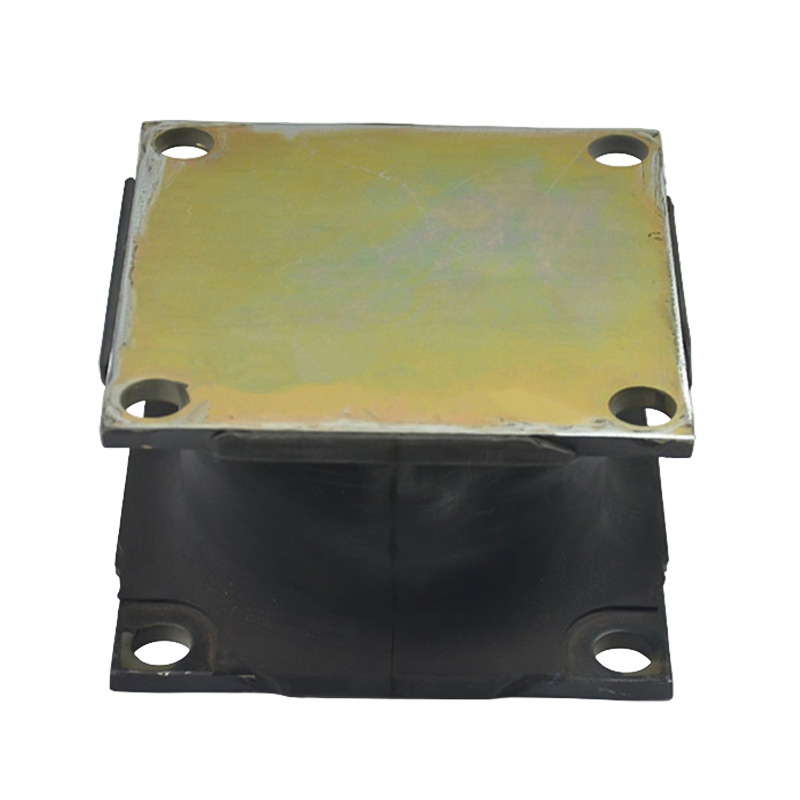 400HA All-Weather Clip-on Rubber Track PadsFor dozers and other track machines, these all-weather clip-on pads add rubber protection for paved surfaces while keeping steel grousers in place.View Product →
Agricultural Machinery
Tractors and harvesters often travel between field and yard, and the transition is where damage happens. A versatile clip-on pad gives you the grip you need in soft ground while sparing concrete lanes, barn floors, and loading areas. Because farm equipment tends to be maintained by the same people who operate it, the no-tools nature of clip-on mounting is a real advantage.
 450HC Versatile Clip-on Rubber Track PadsDesigned for tractors and harvesters, these clip-on pads reduce soil compaction and improve traction on muddy or uneven ground.View Product →
Compact Excavators and Utility Machines
Smaller tracked machines rarely run long enough to justify a heavy bolt-on programme, but they still need surface protection. For these units, a clip-on pad that seats properly and comes off with a pry bar is often the most economical answer, even though the machine was not originally sold with rubber in mind.
Reading the Numbers on a Clip-On Pad
Model codes look cryptic until you know what to expect. A code such as 600-126-70 usually bundles three measurements: an overall pad width, a figure tied to the link or pitch spacing, and a height or thickness figure. The order and the exact meaning of each number change between manufacturers, which is why we always ask for a drawing or a sample before quoting a custom run.
If you cannot find the code, measure instead. Take the width of the steel shoe, the distance between link centres, and the height of the grouser from the shoe surface. Send those three numbers along with a photograph of the underside of the machine, and any experienced supplier can match a pad to it. If you would like a starting point, our guide to rubber track pad types and installation walks through the same measurements in more detail.
 600HB Clip-on Rubber Track Pads for ExcavatorsThese no-weld clip-on pads protect asphalt and cement from excavator steel tracks while adding shock absorption, noise reduction, and stability.View Product →
Installation: Ten Minutes That Decide the Next Two Years
Clip-on pads are forgiving, but they are not indifferent to preparation. A little time spent before the first pad goes on pays back over the whole set.
- Park the machine on firm, level ground and lower the attachment so the track cannot move.
- Clean the grousers with a scraper or wire brush. Mud, ice, and loose scale will stop the clip from closing fully.
- Inspect the steel edge for burrs, bent grousers, and weld spatter, and dress anything that could cut or block the clip.
- Seat each pad squarely by hand, then tap it home with a soft mallet along the length of the clip, never on the rubber only.
- Work around the track in one direction so spacing stays even, checking that every pad sits at the same height.
- Run the machine slowly for a short distance, then walk the track again and confirm every clip is still fully seated.
That last step catches most problems early, while a pad can still be reseated by hand instead of being replaced.
Wear, Rotation, and Replacement
Rubber wears at different rates depending on which side of the machine does the turning and which end of the track carries the most load. Rotating pads front to back at roughly the midpoint of their life spreads that wear and keeps the machine sitting level. It is a simple habit and it adds real service life to a set.
Watch for three warning signs: cracking along the bond line between rubber and metal, a clip that has opened up or lost its spring, and a rubber block worn down to the point where the grouser starts contacting the ground. Replace pads in matched sets where you can, because mixing new and heavily worn pads changes the effective rolling height of the track and puts uneven load on the undercarriage. On slopes, keep in mind that clip-on retention is a friction fit, so avoid aggressive side-hill work and sharp turns on hard surfaces.
What We Check Before a Pad Leaves the Factory
We have been making rubber tracks and rubber track pads since 2010, in a 12,000 square metre plant, and clip-on pads have been part of that work from the beginning. Because we mix our own rubber compound and stamp, weld, and form our own metal frames, the clip and the rubber are not sourced from two different supply chains and hoped into alignment. They are designed as one part, then bonded in a single vulcanizing cycle.
Before a batch ships, it passes through our test laboratory, where we look at bond strength, clip tension, and rubber hardness. That routine matters most for the clip, since a pad with excellent rubber and a weak clip fails in the field just the same as the reverse. Our annual capacity is around 500 containers, and we keep stock of common sizes so that repeat customers are not waiting on a full production run. Pads from our factory are working today in Japan, the Netherlands, Singapore, and more than a dozen other markets.
If you send us a drawing, a sample, or simply three measurements and a photo, we will tell you honestly whether a clip-on pad is the right answer for your machine, or whether a bolt-on or chain-on type would serve you better.
Clip-on rubber track pads are not the heaviest option on the market, and they are not meant to be. They are the option that lets a crew protect a surface, change over quickly, and get back to work without hunting for bolts in the dirt. Get the fit right, install them with a little care, rotate them halfway through their life, and they will do exactly what they were designed to do.
If you are ready to compare sizes, you can browse our full range of clip-on rubber track pads or send us your machine details and we will match a pad to it.


