


 中文简体
中文简体Snow hits the windshield as you push a full bucket of wet snow across a frozen lot. The skid steer’s standard rubber tracks start to slip on the ice underneath, and you have to ease off the throttle just to hold a straight line. By noon, you’ve lost more time to spin-outs than to the snow itself.
Operators often assume that winter traction requires a complete new track assembly. In many cases, the smarter move is to change only the rubber track pads — the ground-contact blocks that bolt or clamp onto your existing steel chain. Track pads are what actually meet the ice and snow, so they have a direct impact on grip, flotation, and side stability. Choosing the right snow tracks for skid steer operations doesn’t have to mean replacing the whole undercarriage.
Why Rubber Track Pads Matter for Snow Performance
A stock skid steer track is designed for general use. The rubber compound and tread pattern are balanced for dirt, gravel, asphalt, and occasional mud. Those same tracks become much less predictable on compacted snow and glare ice. Hard-packed snow creates a polished surface with low friction, and a generic tread pattern tends to skate rather than bite.
Changing the track pads changes the interface between the machine and the ground. A more aggressive tread pattern with taller lugs can dig into the snow pack, while a winter-oriented rubber compound remains flexible at sub-freezing temperatures. Because the pad is the only part that touches the terrain, it is also the most effective place to improve winter traction without a full undercarriage replacement. For a deeper look at how track pads differ in construction and application, see our complete guide to rubber track pad types, which covers the main families and their installation requirements.
Key Features to Look for in Snow Tracks for Skid Steer
Not every rubber track pad is suitable for snow. The best snow tracks for skid steer work combine a deliberate lug design, a low-temperature rubber compound, and a mounting style that fits your undercarriage geometry.
Tread Design and Lug Pattern
The tread pattern is the first thing to evaluate. On snow, the goal is to maximize bite in both the forward and lateral directions. Open, chevron-style lugs or zig-zag patterns channel snow away from the contact patch while creating pressure points that compact the snow instead of polishing it. Deep, wide lugs also help prevent sideslip on banks and driveways. In contrast, a flat or tightly spaced tread can fill with packed snow and turn into a glazed surface.
Rubber Compound and Low-Temperature Flexibility
Tread shape only works if the rubber stays elastic in the cold. A standard pad can harden as the temperature drops, leading to reduced grip and a higher risk of cracking on impact. Winter-grade pads are formulated with a softer, cold-resistant compound that retains flexibility at -25°C or lower. This allows the lugs to flex and shed ice rather than shatter. It also reduces wear on the steel chain because the rubber absorbs more of the shock.
Mounting Style: Bolt-On, Chain-On, Clip-On
The mounting system determines how quickly and securely you can fit the pads to your existing undercarriage. Bolt-on pads are the most common type. They use hardened bolts through the pad and into the chain link, providing a rigid connection that suits heavy snow removal. Chain-on pads wrap around the chain with a wire or chain element, which can be convenient for certain track designs. Clip-on pads use a clamp that snaps over the link, allowing very fast swaps when you need to move between snow, dirt, and asphalt in the same week.
| Mounting Style | Typical Install Time | Best For |
|---|---|---|
| Bolt-on | 45–90 min per track | Standard steel-link systems; heavy-duty use |
| Chain-on | 30–60 min per track | Chain-driven undercarriages; fast replacement |
| Clip-on | 20–40 min per track | Machines that alternate between snow and bare ground |
How to Match the Right Track Pad to Your Winter Job
Your choice should start with a simple question: what does the snow look like where you work? Dry, light snow is very different from heavy, wet snow or glare ice. Cold, dry snow tends to slide over itself, so you need deeper lugs and a softer rubber. Wet snow and ice call for a self-cleaning tread that evacuates slush before it refreezes.
Next, identify your chain link spacing and track configuration. Bolt-on pads are the default for most skid steers, but chain-driven machines often have a different interface. If your undercarriage uses a standard rectangular link, a bolt-on pad will give you the most stable foundation. For example, our durable bolt-on rubber track pads for excavators are also used by many operators on skid steers with compatible link pitch. The deep lugs help cut into packed snow while the bolt-on design keeps the pad secure under high torque.
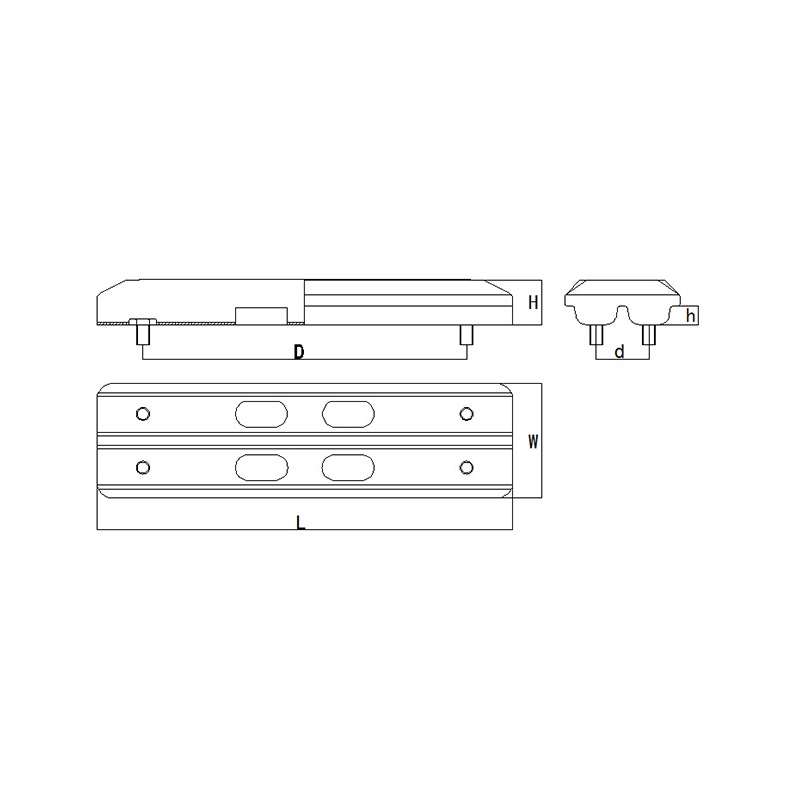 Wholesale 300BA Durable Bolt-On Rubber Track Pads for Excavators Suppliers, FactZhejiang Shuangniao Lifting Equipment Co., Ltd. is China wholesale 300BA Durable Bolt-On Rubber Track Pads for Excavators suppliers and f...View Product →
If your machine uses a chain-driven undercarriage, consider chain-on track pads designed for chain-driven excavators. They wrap around the drive chain and offer stable performance on uneven, snow-covered ground.
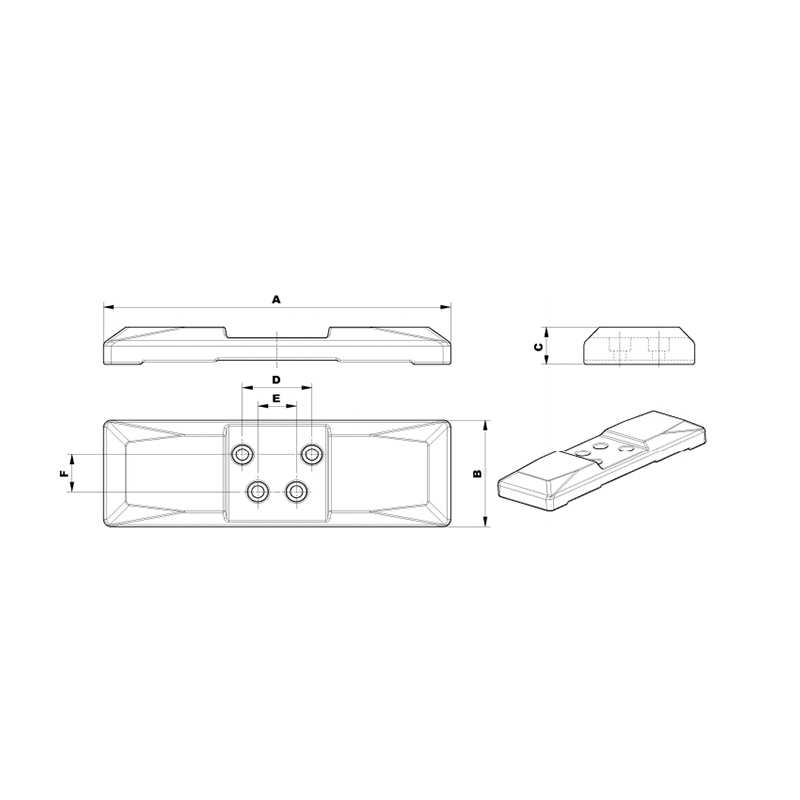 Wholesale 320CA Track Pads for Chain-Driven Excavators Suppliers, Factory - ZhejZhejiang Shuangniao Lifting Equipment Co., Ltd. is China wholesale 320CA Track Pads for Chain-Driven Excavators suppliers and factory,320...View Product →
For rapid changeovers, clip-on pads give you a lot of flexibility. Our all-weather clip-on rubber track pads for dozers share the same clamping principle, making them a logical choice for skid steers that switch between snow removal and other jobs. You can mount them in the morning, run a full day in deep snow, and remove them in the evening without breaking the bank on labor costs.
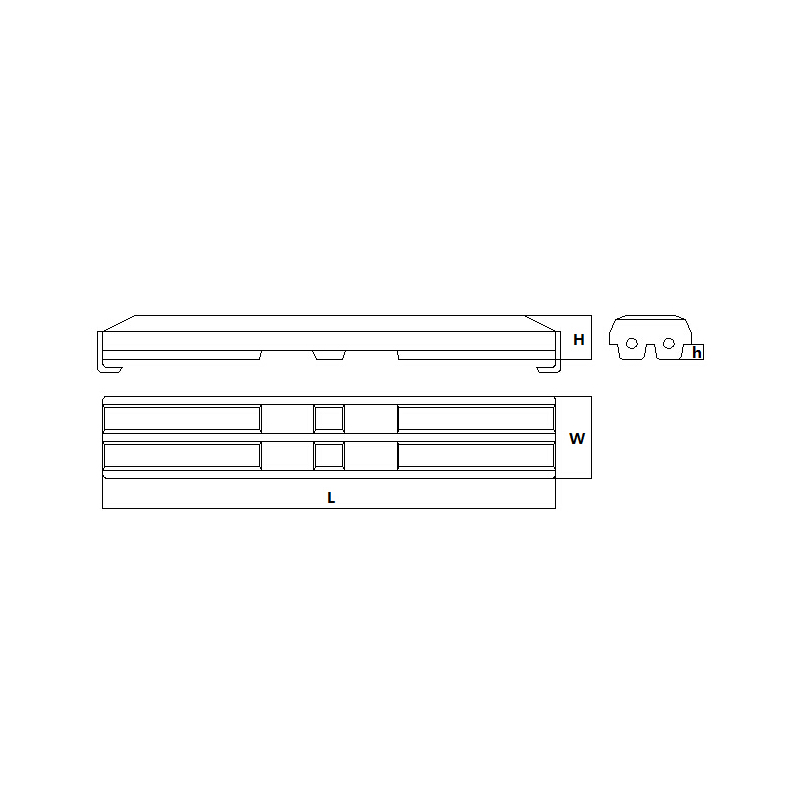 Wholesale 400HA All-Weather Clip-on Rubber Track Pads for Dozers Suppliers, FactZhejiang Shuangniao Lifting Equipment Co., Ltd. is China wholesale 400HA All-Weather Clip-on Rubber Track Pads for Dozers suppliers and f...View Product →
Why Sourcing Directly from a Specialized Manufacturer Wins
Once you know which type of pad you need, the next decision is where to buy it. Many operators go through a dealer or distributor, but buying directly from a manufacturer removes an entire layer of cost and lead time. Direct sourcing also gives you access to engineering support if your track has an unusual link pitch or load requirement.
As a manufacturer of rubber track pads, we control the full production chain: rubber mixing, metal stamping, vulcanization, assembly, and testing. That means we can offer customized compounds and dimensions without minimum-order headaches. We can develop a pad that matches the exact lug geometry and hardness you need for snow and ice, based on your drawings or sample parts. Our product range covers the three main mounting families, and our engineers can help you identify which pad will work with your skid steer undercarriage. Browse our rubber track pad product range to see the different mounting families and dimensions we produce.
Get Winter-Ready Without Replacing the Whole Track
Snow is not the time to trust a worn or generic track pad. The right snow tracks for skid steer work are a specific combination of lug design, rubber compound, and mounting system. By upgrading only the track pads, you improve traction on ice, reduce downtime, and extend the life of the main track chain. If you’re unsure which pad fits your machine, send us your track specifications and we’ll help you select or design the right winter solution.


