


 中文简体
中文简体An excavator sits idle because a replacement rubber track won't seat properly on the sprocket. The old track is stamped 400×72.5×74, but the new one measures 400×72.5×72. That two-link difference is all it takes to cause misalignment, and now the machine is down while you wait for the correct size. This is exactly why a rubber track size chart needs to be read precisely — and why understanding the three key numbers in the format prevents costly downtime. The same logic applies when selecting rubber track pads: you need the track platform dimensions first.
What the Numbers in a Rubber Track Size Chart Mean
Every rubber track size follows the same basic format: Width × Pitch × Link Count. A track labeled 400×72.5×74 is 400 millimeters wide, has a 72.5-millimeter pitch, and contains 74 links. The width is measured across the track face, the pitch is the distance from the center of one link to the center of the next link, and the link count is the total number of links in the closed loop.
These three values determine whether the track physically fits your machine's sprocket, rollers, and undercarriage frame. A track with the correct width but the wrong pitch will not engage properly with the sprocket, causing slippage and rapid wear. A track with the correct pitch but the wrong link count may be too long or too short for the undercarriage. If any one of the three values is incorrect, the machine's propulsion is affected, and the track can derail under load.
If you work with imperial measurements, 1 inch equals 25.4 millimeters. A track listed as 15.8 inches wide converts to about 400 mm, which is why size charts almost always use millimeters as the standard unit. In addition to the three core numbers, many size charts include letters. These letters can identify the guide type, the tread pattern, or a manufacturer-specific variant. Two tracks with identical width, pitch, and link count but different guide profiles may carry different letter suffixes, which is why a size chart is not always a universal cross-reference — it maps sizes for a specific product family.
How to Measure for a Rubber Track Size Chart
If the size is not stamped on the track, measuring it yourself is straightforward with a tape measure and a small marker. The following steps cover all the dimensions needed to read a size chart correctly.
- Check for a stamped size. Most tracks have the size molded or stamped on the inner surface. Look for a format like Width×Pitch×Links before you start measuring.
- Measure the width. Lay the track flat, then measure straight across the outer face from edge to edge, perpendicular to the length of the track. Record this value in millimeters.
- Find the pitch. Place the tape measure on the center of one link lug and measure to the center of the next link lug. This distance is the pitch, typically between 40 and 200 mm depending on the machine class.
- Count the links. Mark one link with chalk or tape, then count each link around the full loop until you return to the mark. The final count is the link number.
- Identify the guide type. Look inside the track for the guide groove or guide lug. Measure the width at the top and bottom of the groove and the groove height. Write down all four values — width, pitch, link count, and guide dimensions — before consulting a size chart.
Common Rubber Track Size Chart Examples
Different equipment classes use different track size ranges. The table below shows typical size patterns for common tracked machines, which can help you narrow down the correct chart before you start measuring. Remember that these ranges are general guides; the manufacturer's specification for your exact machine model is the authoritative reference.
| Equipment Type | Width (mm) | Pitch (mm) | Link Count |
|---|---|---|---|
| Mini excavator (1–3 t) | 180–250 | 40–72 | 50–80 |
| Midi excavator (3–8 t) | 250–350 | 52.5–72.5 | 72–90 |
| Crawler excavator (8–20 t) | 350–500 | 72.5–101.6 | 72–90 |
| Dozer | 400–600 | 101.6–203.2 | 40–60 |
| Agricultural crawler | 300–450 | 72.5–125 | 60–80 |
Guide Type and Roller Fitment
The fourth check in any size match is the guide type. The guide system keeps the track aligned on the rollers and the sprocket. If the guide width or height does not match, the track can derail even when width, pitch, and link count are correct. Letters appended to a rubber track size often indicate the guide type within a given manufacturer's system, which is one reason the same basic dimensions can have different size designations from different brands.
Rollers are another variable that affects fit. Some machines use single-flange rollers, some use double-flange rollers, and some use different roller diameters. A size chart typically gives the track dimensions but does not list every undercarriage variation, so checking the roller type against the machine manual is necessary before finalizing a purchase.
From Track Size to Track Pad Selection
If your machine runs on steel tracks or a chain-driven undercarriage, rubber track pads are the components that provide traction and protect the ground surface. Track pad selection depends on the track platform dimensions and the mounting system. This is where a track size chart connects directly to pad purchasing decisions.
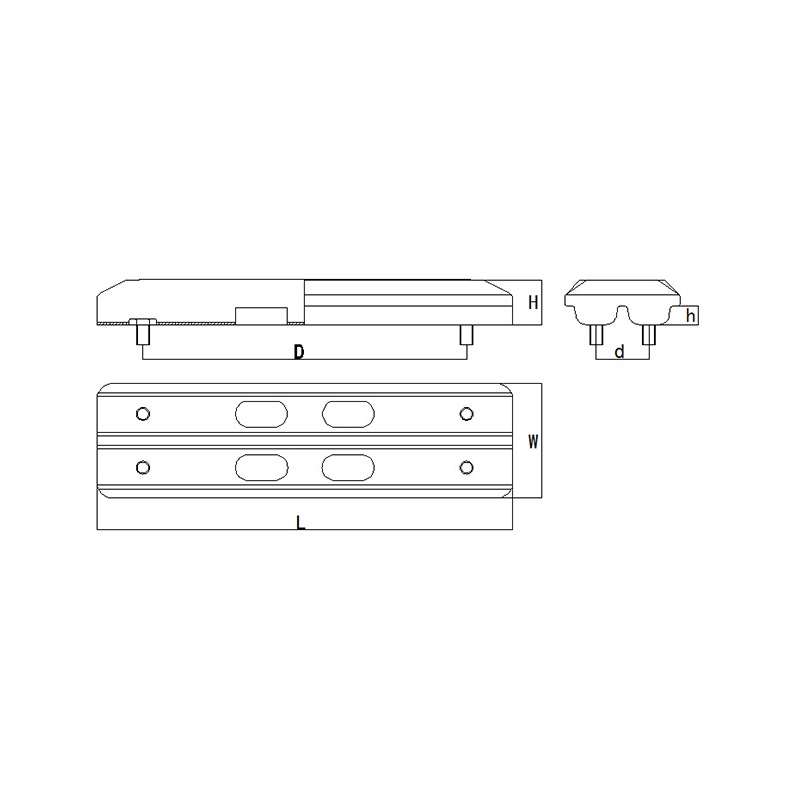 Bolt-on Rubber Track Pads 400x106x37 mm for Steel TracksThese bolt-on pads protect sensitive surfaces from steel track damage. They reduce noise and vibration, making them ideal for urban construction while extending undercarriage life through durable rubber and embedded steel.View Product →
Bolt-on pads use bolt holes on the track grouser and are common on excavators. The mounting bolt spacing must match the track platform, which is why the dimension code in the pad model number matters during selection.
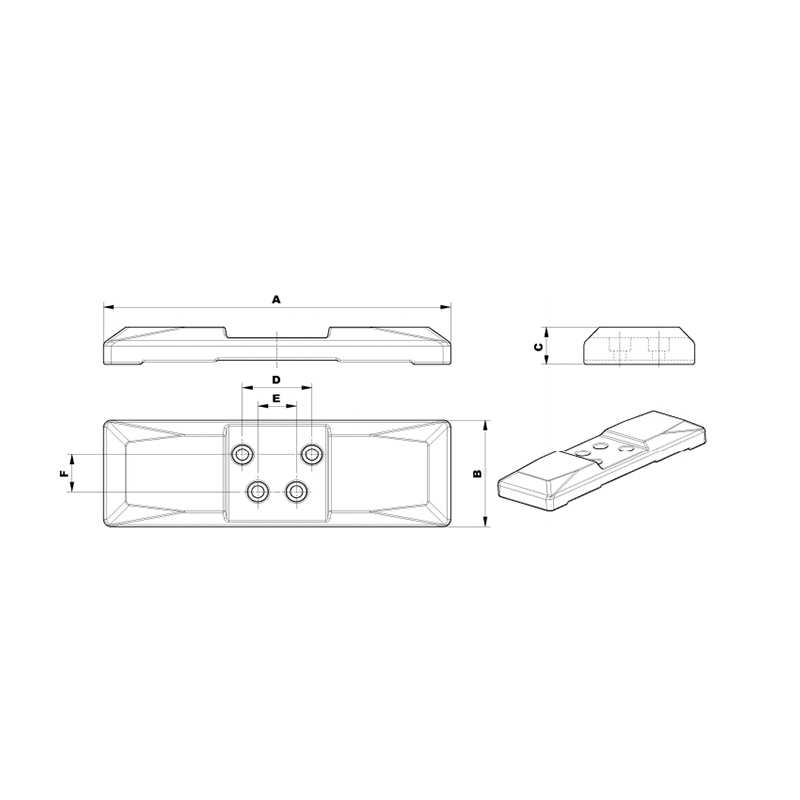 Chain-on Rubber Track Pads 400x125x56 mm for Steel TracksDesigned for chain-driven undercarriages, these pads offer high load capacity and vibration damping. Their alloy chain resists wear, ensuring stable operation in heavy-duty industries like mining and rail transport.View Product →
Chain-on pads mount to the chain links directly and are used in chain-driven undercarriages. The pad's link spacing must align with the chain pitch to achieve proper engagement.
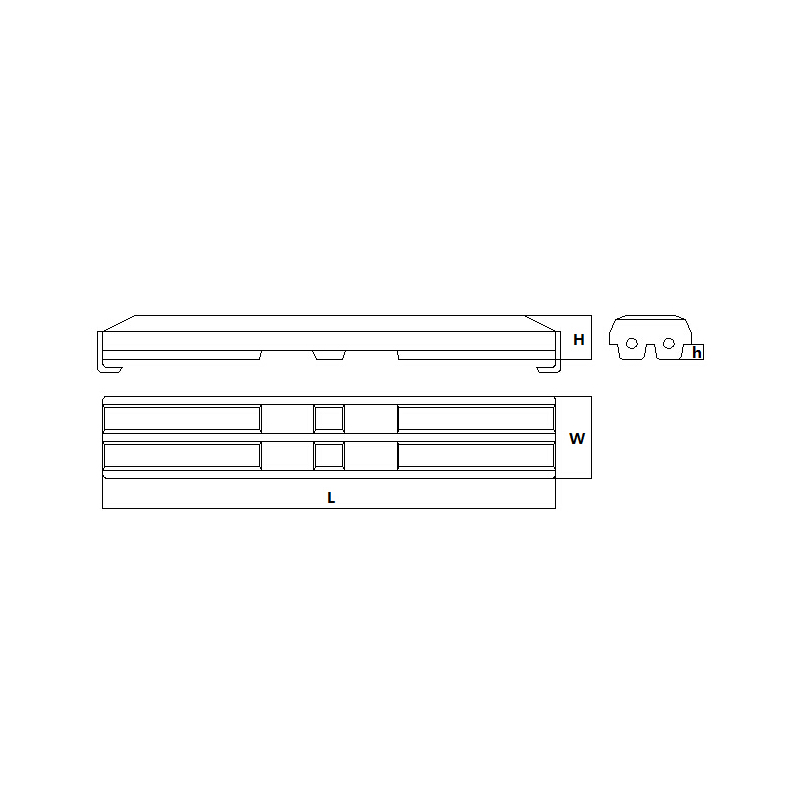 Clip-on Rubber Track Pads 600x126x70 mm for ExcavatorsThese clip-on pads install without welding, preventing scratches and dents on asphalt and concrete. They improve traction and reduce noise, suitable for municipal and landscaping work where surface protection is critical.View Product →
Clip-on pads clamp over the track shoe and are often used on dozers and larger machines. The clip width and pad profile need to match the track shoe geometry.
When you know your track width, pitch, and link count, you can narrow down the correct pad type. The mounting method is the next decision. Each pad family has different compatibility constraints, so confirming the track platform dimensions with the manufacturer before ordering is recommended. If you need a broader overview of how these pad types differ in function, our guide to rubber track pad types covers the installation and benefit differences in detail.
Practical Buying Advice
Ordering a rubber track or track pad based on a size chart involves more than matching three numbers. The following process reduces procurement risk and prevents mismatched orders.
- Measure the old track first. A track specification sheet can differ from the actual track on the machine by a few millimeters, so the physical track is the most reliable reference.
- Record the guide dimensions. Note the guide groove width at the top and bottom and the guide height. Take a photo of the guide profile if possible.
- Consider the application. An excavator working in mud, a dozer on rock, and a crawler in wet farmland place different demands on the track and pad compound.
- Confirm the mounting system. Bolt-on, chain-on, and clip-on are not interchangeable. Verify the existing pad mounting method or the track platform design before selecting a numbered pad model.
- Request a dimension drawing. Reputable suppliers can provide technical drawings for their pad models, allowing you to compare dimensions directly with your track measurements before purchase.


