


 中文简体
中文简体Steel tracks get machines through mud, rock, and rough terrain. But the same steel that grips a job site can gouge asphalt, scar concrete, and tear up a finished lawn. Rubber pads for steel tracks solve that problem without giving up the traction you need. In most cases, the right pad protects the surface, reduces noise, and even extends track life. The key is matching the pad style to your equipment and ground conditions. We compare the three main mounting types and what to look for when you buy.
Why Steel Tracks Need Rubber Pads
Steel tracks are built for tough conditions. However, they are hard on finished surfaces. A 20-ton excavator with steel tracks can leave deep gouges in pavement and rut turf quickly. Rubber pads act as a cushion between the steel shoe and the ground. The rubber compound flexes under load, spreading pressure and reducing surface damage.
Rubber pads also improve traction on hard or slippery surfaces. As the pads press against asphalt or concrete, the rubber bites into the surface better than steel. That can mean less slipping and more efficient work. They also dampen vibration and noise, which matters on urban jobs and near sensitive sites.
These pads are not a replacement for rubber tracks. They are an attachment for steel tracks, and they are the right choice when you need the durability of steel plus the surface protection of rubber.
Three Mounting Options: Bolt-On, Clip-On, and Chain-On
Bolt-On Pads
Bolt-on pads are secured with bolts through pre-drilled holes in the track shoe. This is the most common design on excavators. Because the bolts come out easily, damaged pads can be replaced without removing the track. Bolt-on pads are available in sizes and thread patterns to match different track shoes, so check the model number carefully. Our durable bolt-on rubber track pads for excavators are a typical example of this style, designed to stand up to repeated impact and cold-weather use.
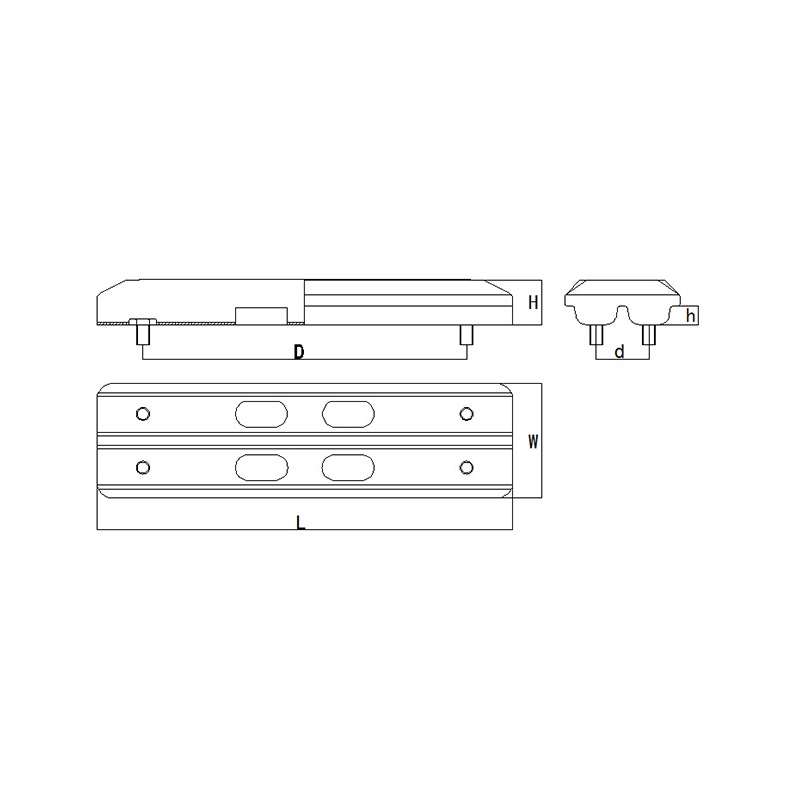 Durable Bolt-On Rubber Track Pads for ExcavatorsThese bolt-on rubber pads protect sensitive surfaces and reduce noise on excavators. They are easy to install without modifying the machine, making them a practical choice for asphalt or indoor work.View Product →
Chain-On Pads
Chain-on pads wrap around the track chain, using the chain itself to hold the pad in place. This design fits chain-driven excavators and continues to be popular on older machines. It is often the most economical way to add rubber pads to an existing steel track. The pad sits between the chain and the ground, and it is less likely to loosen under heavy vibration. If your machine uses a chain drive, look for pads that match your chain pitch and link width. Our anti-vibration rubber track pads for equipment are built with this architecture in mind.
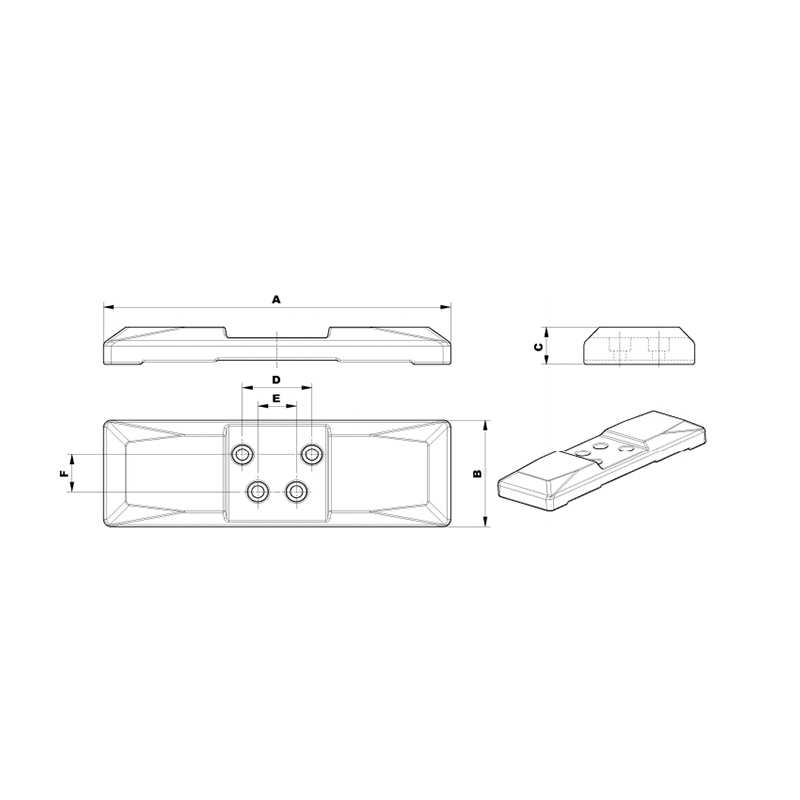 Anti-Vibration Rubber Track Pads for Heavy EquipmentDesigned for chain-driven machines, these pads use the chain to hold them in place. They offer cost-effective ground protection and resist loosening under vibration, suitable for older excavators.View Product →
Clip-On Pads
Clip-on pads snap onto track shoes through a clip mechanism rather than bolts. This is a fast way to fit pads, and it is often preferred on dozers and agricultural machinery. There is no need to drill new holes, which saves installation time. Clip-on pads can be removed quickly, making them a good choice for machines that switch between steel and rubber protection. Our all-weather clip-on rubber track pads for dozers are an example, built with a rubber compound that holds its properties in rain, heat, and cold.
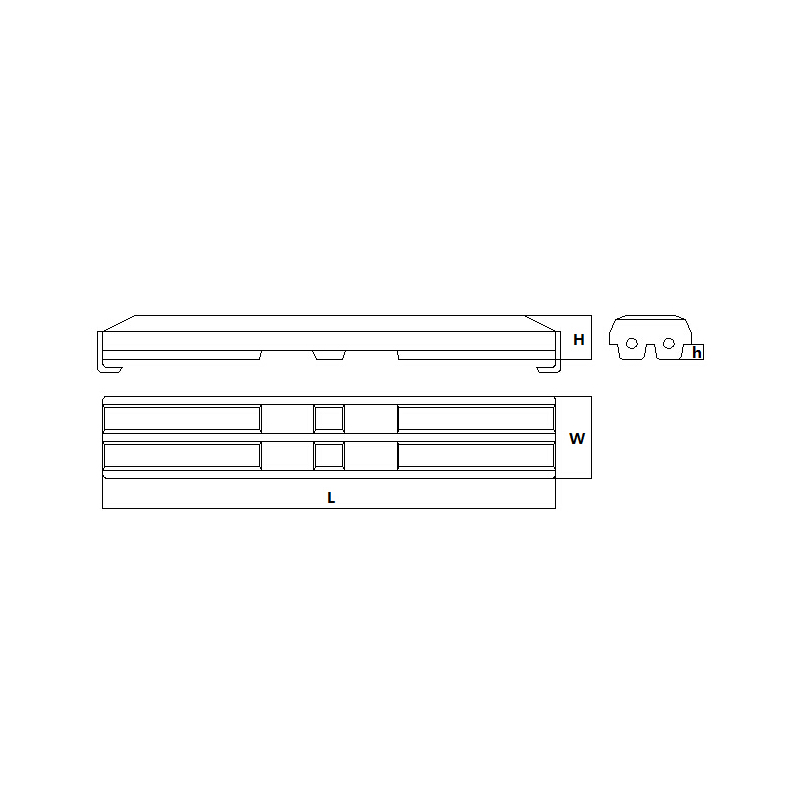 All-Weather Clip-On Rubber Track Pads for DozersThese clip-on pads fit dozers and agricultural machinery, allowing quick installation and removal without drilling. Their durable rubber compound performs reliably in rain, heat, and cold.View Product →
How to Choose the Right Rubber Track Pad
Start with the mounting style. Bolt-on is common on excavators, clip-on is more typical for dozers and agricultural machines, and chain-on suits older chain-drive equipment. Then match the pad size and bolt or clip spacing to your track shoe. Manufacturers use model numbers like 400-106-37, 400-125-56, and 600-126-70 to identify dimensions; these are not arbitrary. If you cannot match the number, measure the distance between holes and the pad length.
- Consider the job site. A pad for all-terrain work needs a more aggressive tread, while a pad for asphalt and city work can be softer.
- For machines that run on platforms or near finished surfaces, anti-vibration pads reduce operator fatigue and ground marking.
- For machines exposed to mud and weather, an all-weather compound matters more than a narrow street-only pad.
For more detail on these differences, see our guide to rubber track pad types.
Installation and Maintenance Tips
Clean the steel track before installing pads. Dirt, rust, and old bolts create uneven contact and can stress the pad. Use the correct torque for bolts; too much can crack the rubber, too little can allow movement. Check the pad wear after the first few hundred hours. A wear pattern that shows more wear on one side can indicate misalignment or a loose fitting. Worn pads reduce traction and can damage the steel shoe if they break off.
Chain-on and clip-on pads should be checked for movement around the clip or chain. A pad that shifts sideways can hit the undercarriage and cause damage. Replacing a damaged pad early is cheaper than letting it fail on an active job site. Keep a few spare pads in the container for quick swaps.
What to Look for in a Rubber Track Pad Manufacturer
The manufacturer's ability to control the rubber compound and the internal metal frame makes a practical difference. A factory that mixes its own rubber and produces the steel frame in-house can keep the bushing and the pad in consistent quality. A dedicated test lab helps catch material defects before shipment. An experienced export team can handle documentation and shipping, which matters for overseas orders.
Another practical point is capacity. A manufacturer that can stock and ship in container volumes is more likely to meet your delivery schedule. When evaluating a supplier, ask how they handle custom sizes, production lead time, and after-sales support. If you are working from a drawing or sample, confirm that the factory has the tooling and technical support to adapt the design.
The right rubber pad for your steel track comes down to mounting style, size, and the surface you work on. Get the mounting system right, and you will protect both the ground and your undercarriage. If you need to compare options in one place, see our complete rubber track pad product lineup. For jobs that vary between steel and rubber, selecting a pad you can fit and swap quickly makes a real difference.


