


 中文简体
中文简体Rubber track pads are one of the simplest yet most effective upgrades you can make to a rubber-tracked machine. They slip over or bolt onto the steel track shoes and add a tough rubber layer between the machine and the ground. In this guide, we'll explain what rubber track pads are, the different mounting styles, and how to choose the right set for your excavator, dozer, or agricultural equipment. As a manufacturer with 15 years of experience, we've seen how the right pad can reduce repairs, protect job sites, and keep equipment working longer.
What Are Rubber Track Pads?
Rubber track pads are replaceable rubber blocks that attach to the steel track chains of tracked machines. They are commonly used on mini excavators, compact track loaders, dozers, and agricultural machinery. The rubber layer changes the interface between the machine and the ground. Instead of steel biting into pavement or turf, the pad flexes and grips, which reduces surface damage, vibration, and noise. Pads also provide essential traction in mud, snow, gravel, and other loose material, allowing the machine to work confidently on slopes and soft ground.
Track pads also protect the undercarriage. A worn pad lets steel contact the ground directly, which accelerates bushing wear, track link damage, and expensive repairs. By replacing pads before they become too thin, you avoid a much larger repair bill later.
Types of Rubber Track Pads
There are three main ways to attach rubber track pads: bolt-on, chain-on, and clip-on. Each system has its own advantages, and the best choice depends on your machine, the installation time you are willing to accept, and how often you need to replace pads.
Bolt-On Rubber Track Pads
Bolt-on pads are fixed directly to the track links with bolts or screws. They are the most common style for excavators and compact track loaders because they stay securely in place, even under heavy digging forces. When the pad wears out, you can replace just the rubber block, which saves money. Our durable bolt-on rubber track pads for excavators are designed for high-impact duty and extended wear life.
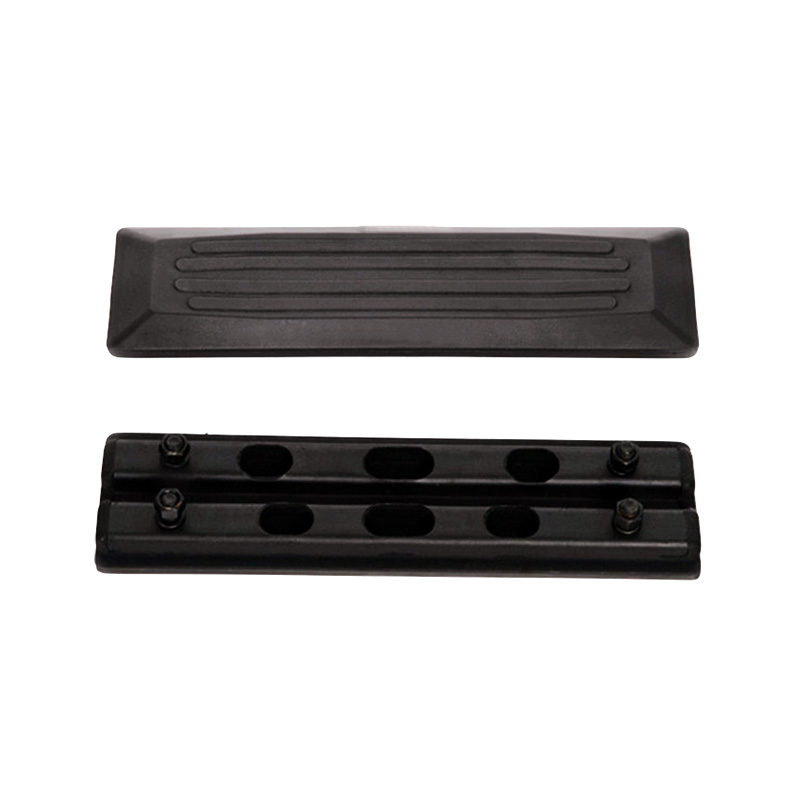 300BA Durable Bolt-On Rubber Track Pads for ExcavatorsThese bolt-on rubber track pads are built for high-impact excavator work, protecting asphalt and concrete surfaces while reducing noise and vibration. The durable rubber and steel frame suit demanding jobsites.View Product →
Chain-On Rubber Track Pads
Chain-on pads use a helper chain and crossbar system to hold each pad in place. They are faster to install than bolt-on pads and can be fitted over an existing track without removing the track from the machine. Chain-on rubber pads are a practical choice for machines that switch between road travel and worksite jobs. For chain-driven excavators, our anti-vibration chain-on pads reduce operator fatigue and protect sensitive surfaces.
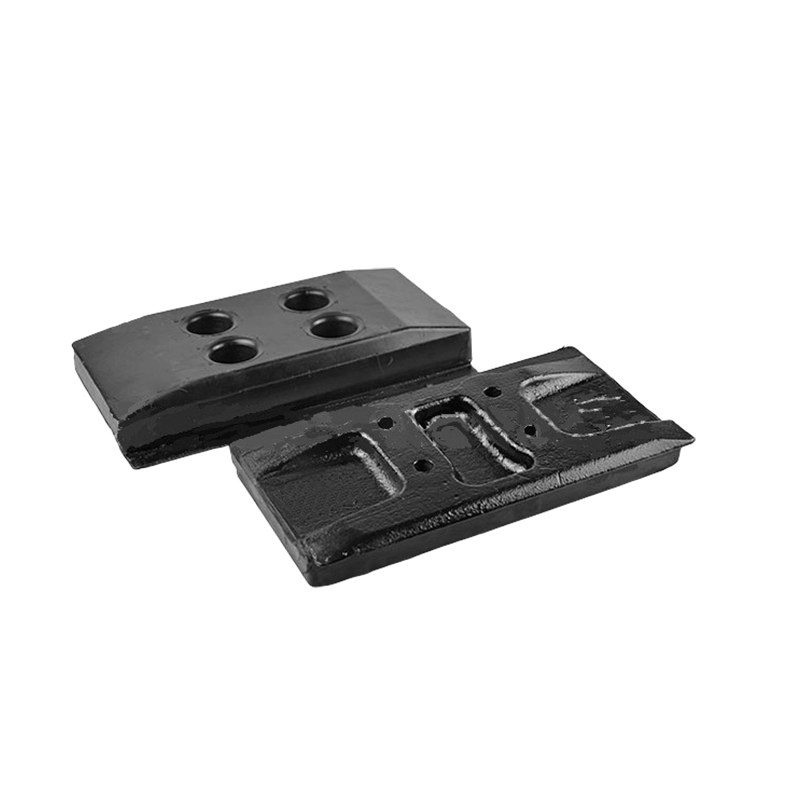 320CA Track Pads for Chain-Driven ExcavatorsDesigned specifically for chain-driven excavators like the Caterpillar 320 series, these rubber track pads improve traction on soft ground, reduce vibration, and help protect sensitive surfaces.View Product →
Clip-On Rubber Track Pads
Clip-on pads snap around the track grouser or flange and are held in place by tension or small retainers. This is one of the quickest installation methods, and it is popular on dozers and agricultural machines where pads may be installed and removed often. Our versatile clip-on rubber track pads for agricultural machinery are built to handle mud, soil, and field debris while keeping the machine stable.
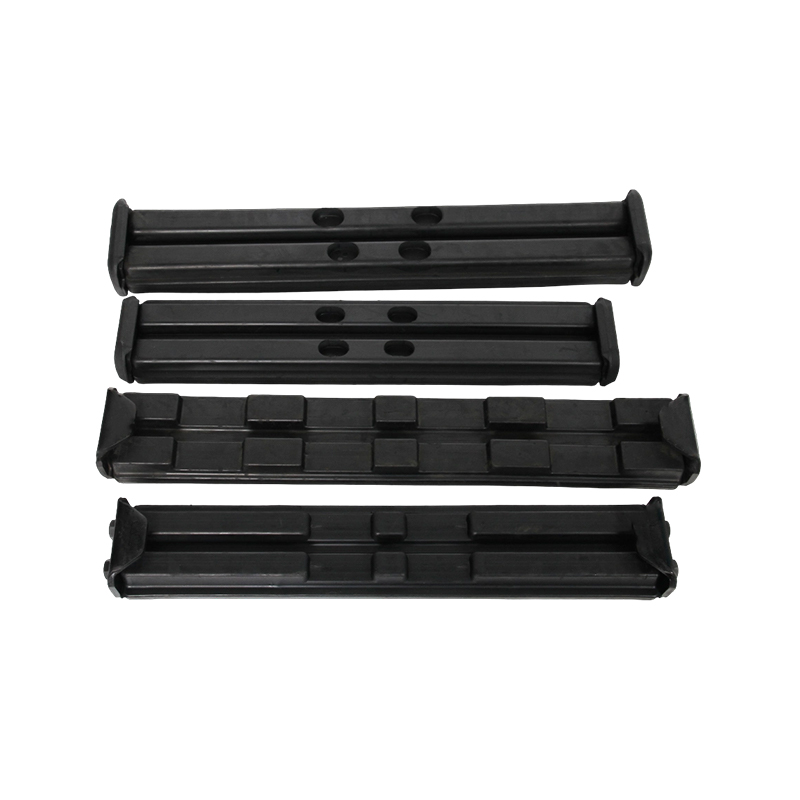 450HC Versatile Clip-on Rubber Track Pads for Agricultural MachineryThese clip-on rubber track pads fit tractors and harvesters, offering quick installation, reduced soil compaction, and better grip in muddy conditions. They help protect crops and improve stability.View Product →
Benefits of Rubber Track Pads
Choosing quality rubber track pads brings benefits that go beyond simple traction. Here are the main advantages we see across our customers' fleets:
- Protects paved surfaces and turf from steel track damage.
- Improves traction on soft or slippery ground.
- Reduces vibration, shock, and operator fatigue.
- Extends the life of the undercarriage and track chain.
- Reduces machine noise, making operation quieter in populated areas.
- Lowers repair and replacement costs over the machine's life.
At our factory, we formulate the rubber in-house so each pad delivers the right balance of hardness, elasticity, and wear resistance. That balance is the difference between a pad that lasts a few weeks and one that lasts several seasons.
How Rubber Track Pads Are Made
Many buyers do not realize how much engineering goes into a good rubber track pad. As a manufacturer, we control every critical stage in-house, from mixing the rubber compound to molding the final pad. This control helps us maintain consistent quality and keep prices competitive.
| Stage | What We Do | Why It Matters |
|---|---|---|
| Rubber mixing | Blend natural rubber, fillers, and additives to achieve the desired hardness and durability. | Affects wear life, grip, and resistance to heat and weather. |
| Metal frame stamping and welding | Cut, stamp, and robot-weld the steel plate or chain brackets. | Ensures precise fit and strong holding. |
| Vulcanization molding | Press the rubber and metal together under heat and pressure. | Bonds the pad into a single durable unit. |
| Testing | Check hardness, tensile strength, and dimensional accuracy in our lab. | Confirms consistency before shipping. |
Because we mix our own rubber, we can adjust the compound for specific applications. For example, a softer compound may be preferred for turf, while a harder compound handles rocky ground better.
How to Choose the Right Rubber Track Pads
Not all rubber track pads are the same. To find the right part for your fleet, keep these factors in mind:
- Installation style: choose bolt-on, chain-on, or clip-on based on your track design and how often you need pad changes.
- Machine type: excavators, dozers, and agricultural machines place different loads on the pad; select a model designed for your application.
- Working conditions: consider asphalt, rock, mud, snow, and temperature ranges. Some compounds are better for abrasive surfaces; others for soft ground.
- Size and spacing: match the pitch, width, and bolt-hole pattern to your track chain. Wrong dimensions will cause early failure.
- Custom requirements: if you have a drawing or sample, a flexible manufacturer can develop pads with the exact compound and dimensions you need.
We offer many standard sizes and can also develop custom rubber track pads based on your machine model or drawings.
Installation and Maintenance Tips
Proper installation and care help rubber track pads perform at their best. Follow these tips to maximise service life:
- Always clean the track surface before installation so dirt does not cause misalignment.
- Use the correct torque and follow the manufacturer's tightening sequence for bolts.
- Check pad bolts or clips regularly, especially after the first few hours of use.
- Rotate or replace worn pads before the metal frame begins to touch the ground.
- Store spare pads away from direct sunlight and ozone sources to extend their life.
Why Choose Us for Rubber Track Pads
Rubber track pads are a small investment with a big return. They protect your equipment, your job site, and your bottom line. At Wangtian, we have been manufacturing rubber track pads since 2010, and every set that leaves our 12,000-square-meter factory is backed by in-house mixing, stamping, welding, vulcanizing, and testing. With an annual capacity of around 500 containers and export experience across Japan, the Netherlands, Singapore, and more, we are ready to supply pads that fit your machines and your schedule.
Visit our website for the full product catalog, or read our ultimate guide to rubber track pads for a deeper look at types, benefits, and installation.


