


 中文简体
Paving machines are judged by the mat they leave behind: steady material flow, consistent screed pressure, and smooth starts and stops. The undercarriage is part of that equation, and on tracked equipment, rubber track pads can influence stability, surface protection, and operator comfort. We have spent years manufacturing rubber tracks and pads for construction machinery, and we know that a pad is never just a black rubber square. This guide explains how paving machines fit into that picture and how to choose pads with more confidence.
Understanding Paving Machines and Their Undercarriages
Paving machines include asphalt pavers, material transfer vehicles, feeders, and compact units used for smaller work. Wheeled pavers are common on highway projects because they move efficiently and steer well. Tracked pavers and tracked support equipment appear where flotation, traction, and low ground pressure matter more than travel speed. On soft or uneven base courses, a tracked undercarriage spreads weight across a larger contact area.
Why the track system deserves attention
A paving train depends on more than the screed. If a track shoe grabs, slips, or transmits vibration, the operator may compensate with speed and steering adjustments, and that can show up in the mat. Rubber track pads add a cushioning layer between the steel track system and the ground. They can improve grip on abrasive surfaces, reduce metal-to-ground scuffing, and lower noise. They are also wear items, so their condition belongs in the daily walk-around, not only in the workshop.
Not every paving machine uses rubber pads. Some tracked pavers run on steel shoes or purpose-built rubber tracks, and the correct replacement depends on the machine model. That is why a generic “paver pad” is rarely enough information. Track pitch, pad width, bolt pattern, link spacing, and load rating all need to match the undercarriage.
What Rubber Track Pads Contribute on Paving Sites
Rubber pads are often described as protection for the ground, but their job is more practical than that. They help the machine travel over abrasive stone, compacted base, and milled surfaces without the steel shoe taking the full impact. On support equipment working around a paving train, the difference can be noticeable in noise, vibration, and surface marks.
- They distribute contact load across a wider area, which can help on soft or uneven ground.
- Rubber absorbs some shock and vibration before it reaches the track frame and operator station.
- The softer contact can reduce scuffing and damage to base layers and finished surfaces.
- Replaceable pads allow the undercarriage to be maintained without replacing the entire track assembly.
Yet rubber is not automatically the right answer for every paving machine. Heat, hydrocarbon exposure, abrasive grit, and cleaning chemicals all affect rubber compounds. If a pad runs close to fresh asphalt or is cleaned with strong solvents, check compound compatibility before ordering. A useful supplier conversation should cover the working environment, not only the dimensions.
Selecting by Mounting Style and Dimensions
Start with the mounting system. Our rubber track pad range is organized around bolt-on, chain-on, and clip-on designs because the attachment method determines how the pad fits, how it is replaced, and what tools are needed. The table below gives a practical starting point, but the machine manual and physical measurements still decide the final fit.
| Mounting style | How it attaches | Typical starting point |
|---|---|---|
| Bolt-on | Bolts secure the pad to the track shoe or mounting body. | Equipment where individual pads can be torqued and replaced in the field. |
| Chain-on | The pad is linked to a chain-driven undercarriage. | Chain-driven excavators and machinery with matching link spacing. |
| Clip-on | A clip or clamp profile holds the pad against the steel shoe. | Dozers and agricultural machinery where the shoe profile accepts clips. |
Bolt-on pads are familiar to many maintenance teams because the fixing method is visible and torque checks are straightforward. For all-terrain work, the 500BA is a useful reference point, but confirm the bolt pattern and track pitch before assuming it will fit a paver or support machine.
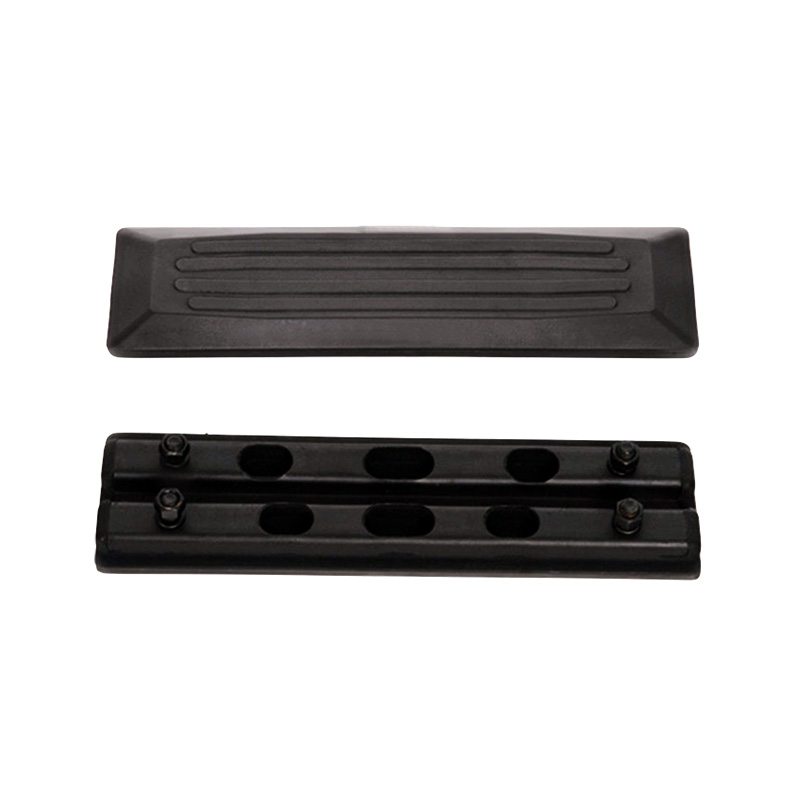 500BA All-Terrain Bolt-On Rubber Track PadsDurable rubber bolt-on pads for tracked equipment, useful to compare against existing bolt patterns and track pitch before ordering.View Product →
Fit Checks Before You Order
A pad that is close but not correct can wear faster, loosen under load, or damage the track shoe. Before ordering, gather the details below. Photographs of the old pad beside a ruler are often more useful than a model name alone.
- Machine make, model, and serial or configuration details where available.
- Track pitch, link count, and the number of pads needed for a full set.
- Pad width, length, thickness, and center-to-center bolt or clip spacing.
- Mounting hardware type, thread size, and any damaged or missing fasteners.
- Operating weight, typical load, and whether the machine works on slopes or soft ground.
- Exposure to heat, oil, solvents, sharp aggregate, or frequent washdown.
For a broader primer on construction and installation, our guide to rubber track pad types and installation walks through the basics. In our experience, the most expensive mistake is treating a mixed set as good enough. Pads wear together, so matching wear across the track is part of keeping the machine stable.
Support Machines Around the Paving Train
A paving crew rarely works with the paver alone. Excavators remove failed sections, dozers prepare base areas, and loaders move material. These support machines may use rubber pads that are better suited to their own undercarriage than to the paver itself. For dozer work where weather and ground conditions change, an all-weather clip-on design can be a practical category to investigate.
The 400HA is one example in our range for dozers, with a clip-on mounting approach. It is not a substitute for checking the shoe profile and clip dimensions, but it gives a concrete starting point for teams that already know their undercarriage style.
 400HA All-Weather Clip-On Rubber Track PadsClip-on rubber pads for dozers in demanding weather, offering a concrete starting point once shoe profile and clip dimensions are verified.View Product →
Compound, Heat, and Cleaning Considerations
Rubber track pads vary in compound hardness, tensile strength, and bonding between the rubber and internal metal frame. A harder compound may resist abrasion well, while a softer or more damped compound may suit equipment that transmits vibration. The right balance depends on the machine and the ground, not on a single “best” rubber recipe.
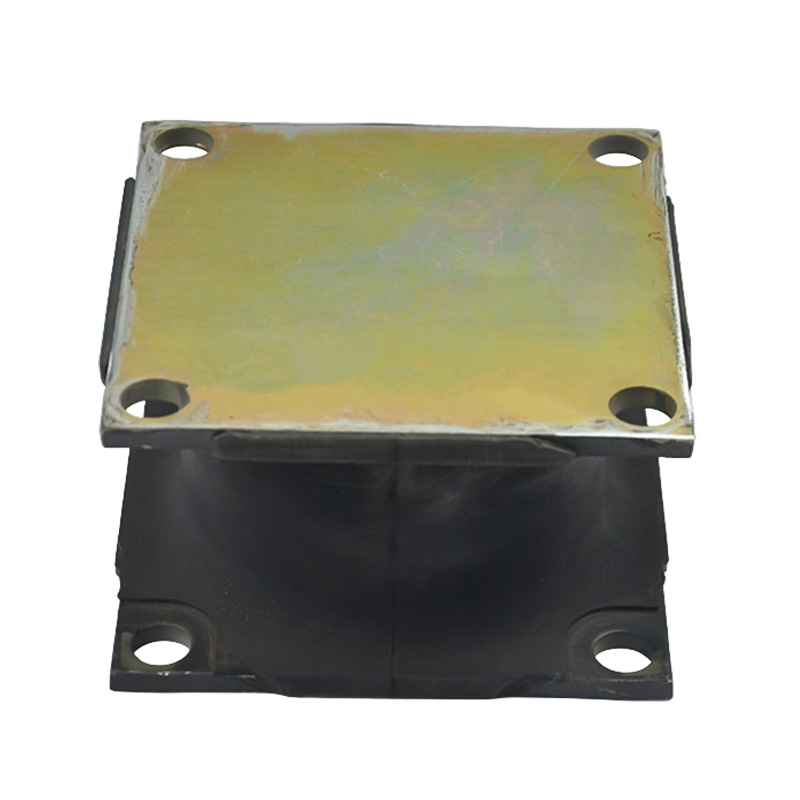
For equipment where vibration is a concern, an anti-vibration pad can help reduce the shock passed through the undercarriage. The 500CA is an anti-vibration chain-on option for equipment, and it is worth comparing against the original pad construction before ordering.
 500CA Anti-Vibration Chain-On Rubber Track PadsChain-on anti-vibration pads for heavy equipment, worth comparing with original pad construction when shock absorption and ground protection matter.View Product →
Paving work also brings heat and chemical exposure. Fresh asphalt mix is hot, and release agents, diesel, and cleaning products can age rubber. Keep pads away from prolonged direct contact with hot material where the machine design allows, and avoid aggressive solvents unless the compound supplier confirms they are suitable. Small cracks, glazing, or hardened edges are early warning signs.
Maintenance and Replacement Rhythm
Inspect pads before each shift and after any unusually abrasive job. Look for missing pads, loose bolts or clips, chunking, cuts, exposed metal, and uneven wear from one side of the track to the other. A single missing pad changes load distribution and can accelerate wear on its neighbors.
Torque fasteners to the machine manufacturer’s specification and keep a simple record of installation dates and operating hours. When several pads show similar wear, plan a set replacement rather than waiting for a failure in the middle of a paving window. Clean pads with methods that suit the compound, and store them away from ozone sources, strong sunlight, and standing water where possible.
How Our Experience Supports Your Selection
We have manufactured rubber tracks and rubber track pads since 2010, with production that includes rubber mixing, metal frame work, vulcanization, and testing. That vertical control is useful when a customer needs a pad that matches an existing machine rather than a catalog-only item. We would rather ask for a track pitch, a photograph, and a few dimensions than send a pad that almost fits.
If you are working with paving machines or the support equipment around them, send the machine details and old pad measurements. We can help you compare mounting styles, discuss the working environment, and decide whether a standard model or a custom approach is the better route. The goal is not simply to sell a pad; it is to keep the undercarriage steady through the work that matters.
Paving machines reward consistency. A well-matched track pad set supports that consistency by keeping contact pressure predictable and reducing avoidable vibration. Whether you maintain a tracked paver, a dozer, or an excavator on the same site, the same rule applies: measure the undercarriage, match the mounting method, and choose a compound for the conditions the machine actually sees.


