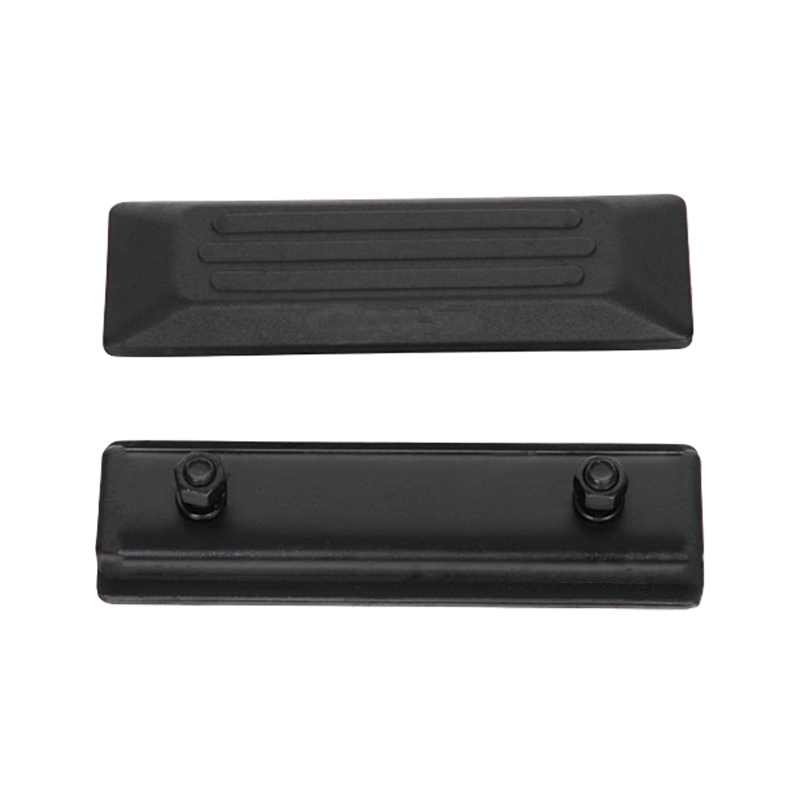
Our 300BA Durable Bolt-On Rubber Track Pads for Excavators are a high-performance ground protection ...
See Details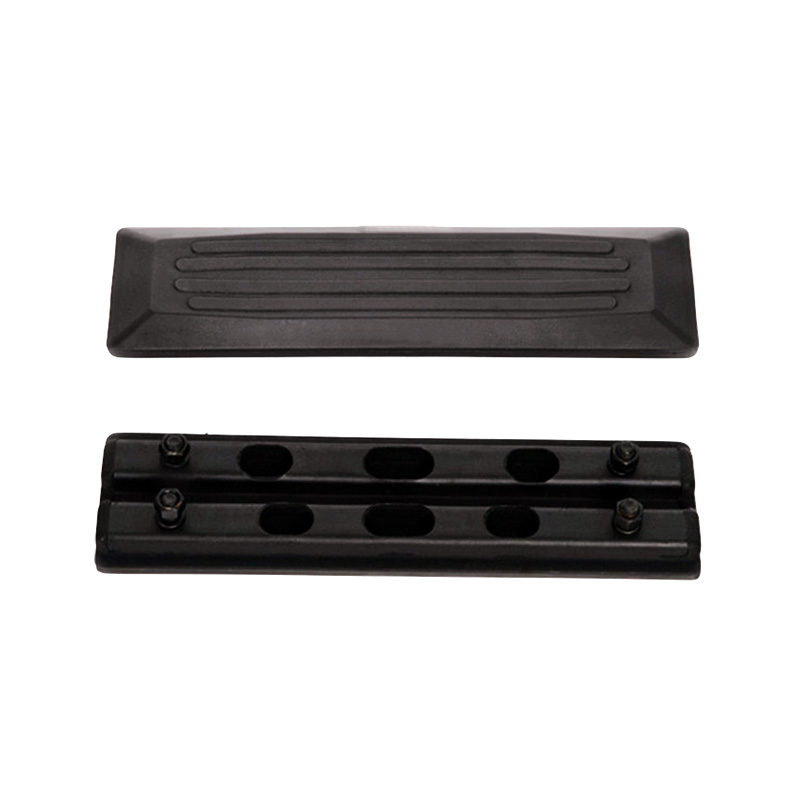
The 400BA bolt-on rubber track pads are a revolutionary product in the field of construction machine...
See Details
The 500BA All-Terrain Bolt-On Rubber Track Pads are engineered to enhance the versatility and perfor...
See DetailsBolt-on rubber track pads are accessories specifically designed for tracked machinery such as excavators and bulldozers, effectively improving track protection and traction. Compared to traditional metal tracks, rubber track pads offer greater adaptability, making them particularly suitable for soft ground or sensitive areas. Their "bolt-on" design means these rubber pads are directly bolted onto existing metal tracks, ensuring easy and secure installation.
These rubber track pads reduce ground damage, lower noise pollution, and provide a smoother operating experience. The rubber material offers good wear resistance and corrosion resistance, extending track life. Common applications include urban construction, road building, agriculture, and other environments requiring reduced ground pressure and extended track life.
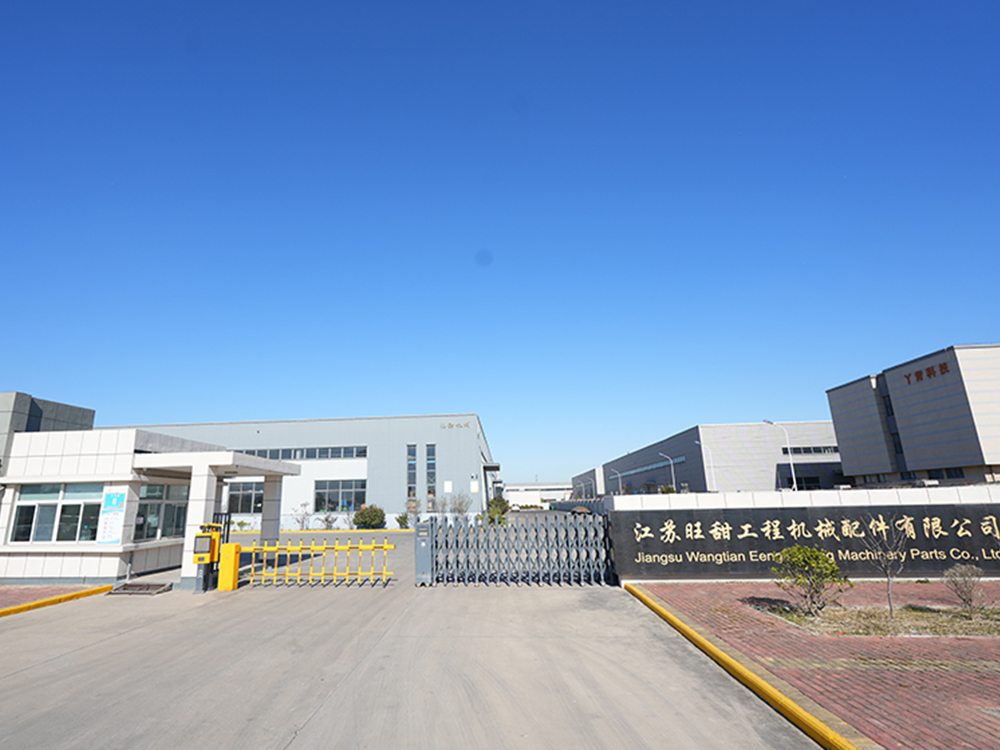
Jiangsu Wangtian Engineering Machinery Parts Co., Ltd. established in 2010, is an enterprise specializing in the production of rubber tracks and rubber track pads, with 15 years of extensive production experience. As China Bolt-On Rubber Pads Manufacturers and Bolt-On Track Pads Suppliers, the company covers an area of 12,000 square meters and is equipped with advanced production facilities and a technical team capable of handling import and export operations independently. It boasts a mixing center, assembly line workshops, a metal stamping workshop with robotic automated welding, a large vulcanization molding workshop, and a fully-equipped testing laboratory. This enables the company to independently produce mixed rubber and internal metal frames for rubber products, ensuring efficient control over product quality and costs. With an annual production capacity of approximately 500 containers, the company maintains strong manufacturing capabilities and can stock products for customers to shorten delivery cycles. Thanks to stable quality, competitive pricing, enthusiastic service, and comprehensive after-sales support, the company's products are exported to over ten countries, including Japan, the Netherlands, and Singapore, earning the trust of customers worldwide. We continuously optimize production processes and develop new products, committed to providing customers with even better services.
Chain-on rubber track pads are widely used on excavators and other tracked equipment to protect ground surfaces while maintaining machine stability and traction. However, choosing the wrong pads can lead to premature wear, poor fitment, frequent downtime, and unnecessary replacement costs. This practical rubber track p...
View MoreRubber track pads play a critical role in modern construction and roadwork projects. As more contractors work in urban environments and on finished surfaces, protecting the ground while maintaining machine stability has become essential. Among the most widely used options are chain-on rubber track pads and bolt-on rubb...
View MoreIntroduction In the world of heavy machinery, efficiency and protection go hand in hand. One component that plays a crucial role in enhancing both is chain-on rubber track pads. These specially designed pads are an essential addition to a variety of machinery, offering numerous benefits ranging from surface protection ...
View More
EMAIL [email protected]

phone +86-18094315028

Address No. 8 Jiulong Road, Haijing Industrial Park, Dafeng Port, Yancheng City, Jiangsu Province, China
Copyright © Jiangsu Wangtian Engineering Machinery Parts Co., Ltd. Rights Reserved.
 Custom Bolt-On Track Pads Suppliers



 中文简体
中文简体