Excavator Rubber Track Pads Material Composition and Performance Characteristics
The material composition of
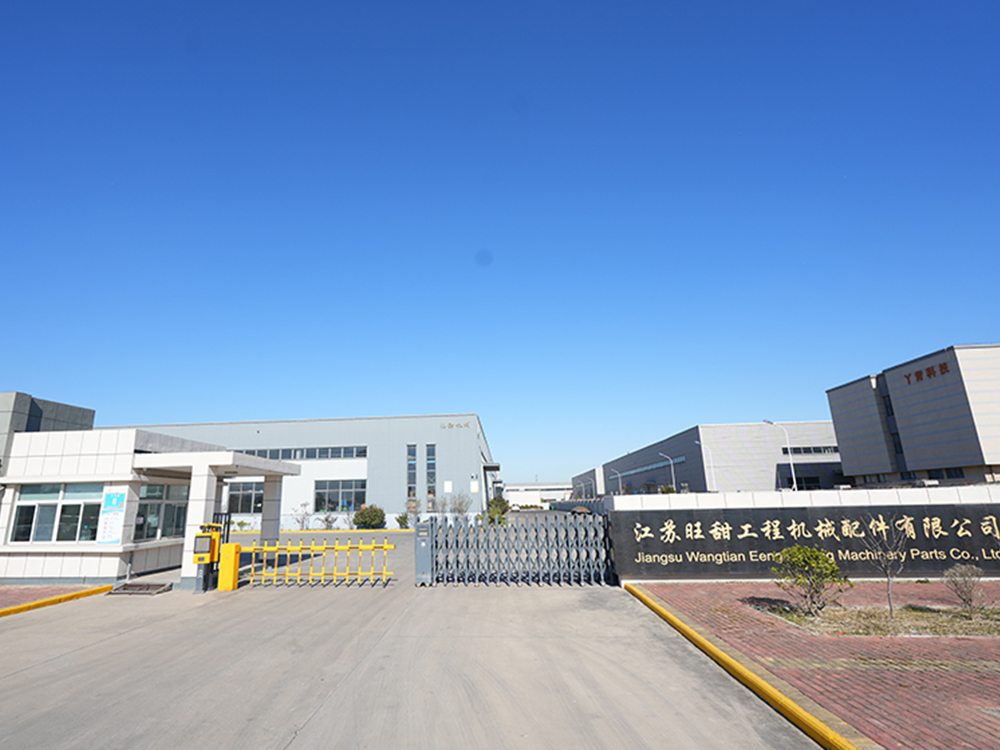
excavator rubber track pads directly determines how the product performs under repeated mechanical loading, environmental exposure, and long-term operational use. From an engineering perspective, material selection is not a single-variable decision but a coordinated system that integrates elastomer properties, reinforcement behavior, and interface stability. Jiangsu Wangtian Engineering Machinery Parts Co., Ltd. has accumulated extensive production experience since its establishment in 2010, allowing us to approach material composition through a controlled and repeatable manufacturing framework rather than isolated material choices. Rubber track pads operate as the contact layer between excavator undercarriages and ground surfaces. This position exposes the material to compression, shear, friction, and cyclic deformation. Rubber compounds must therefore provide sufficient elasticity to absorb vibration while maintaining resistance against wear and deformation. At the same time, internal metal components must support load transfer without introducing rigidity that would increase surface damage or noise. Jiangsu Wangtian Engineering Machinery Parts Co., Ltd. integrates rubber formulation and metal structure design within a unified production system, enabling us to coordinate material behavior across the full pad assembly. Material composition also influences operational consistency across different application environments. Urban construction sites, road maintenance projects, and industrial zones impose varied surface conditions, temperature ranges, and contamination exposure. By controlling rubber mixing, internal steel frame production, and vulcanization processes in-house, Jiangsu Wangtian Engineering Machinery Parts Co., Ltd. maintains stable compound characteristics across production batches. This consistency supports predictable performance during long service cycles. From a manufacturing standpoint, material composition affects production efficiency and quality stability. Rubber flow characteristics, curing behavior, and bonding performance determine molding accuracy and rejection rates. Integrated workshops and a fully equipped testing laboratory allow Jiangsu Wangtian Engineering Machinery Parts Co., Ltd. to evaluate compound behavior at multiple stages, ensuring that material design aligns with manufacturing feasibility. Through this approach, material composition becomes a structured engineering system rather than an isolated formulation decision.
Rubber materials form the functional foundation of excavator rubber track pads, providing elasticity, surface conformity, and vibration absorption. The selection and proportioning of rubber polymers influence how pads respond to mechanical stress, environmental exposure, and long-term use. Jiangsu Wangtian Engineering Machinery Parts Co., Ltd. manages rubber material selection through independent mixing operations, enabling precise control over compound characteristics rather than reliance on externally supplied formulations. Natural rubber is frequently incorporated due to its favorable elasticity and tear resistance under repeated deformation. These properties support track pad flexibility and energy absorption during excavator movement. Synthetic rubbers, including styrene-butadiene rubber and butadiene rubber, are often blended with natural rubber to improve abrasion resistance and aging behavior. Through controlled blending ratios, Jiangsu Wangtian Engineering Machinery Parts Co., Ltd. adjusts compound hardness, rebound resilience, and surface durability to match application requirements. Rubber material selection also considers environmental interaction. Track pads may encounter moisture, dust, oil residues, and temperature variation. Synthetic rubber components enhance resistance to swelling, softening, or surface degradation when exposed to such conditions. Jiangsu Wangtian Engineering Machinery Parts Co., Ltd. evaluates polymer compatibility during compound development to ensure stable material behavior throughout the product lifecycle. Manufacturing consistency represents another consideration. Rubber materials must exhibit predictable flow behavior during molding to fully encapsulate internal metal frames. Independent mixing centers allow Jiangsu Wangtian Engineering Machinery Parts Co., Ltd. to monitor viscosity, dispersion quality, and compound uniformity before molding. This control reduces variability and supports dimensional accuracy during vulcanization. By managing rubber materials internally, Jiangsu Wangtian Engineering Machinery Parts Co., Ltd. aligns compound performance with production efficiency, bonding stability, and long-term operational reliability. Rubber material selection therefore functions as an integrated element of both product design and manufacturing execution.
Reinforcing fillers and chemical additives modify the mechanical and physical behavior of rubber compounds used in excavator rubber track pads. While base polymers provide elasticity, fillers and additives influence strength, wear resistance, aging behavior, and processing characteristics. Jiangsu Wangtian Engineering Machinery Parts Co., Ltd. incorporates reinforcing systems as part of a controlled compound design process supported by in-house mixing and testing capabilities. Carbon black remains a primary reinforcing filler due to its ability to enhance tensile strength, abrasion resistance, and fatigue behavior. Different carbon black grades vary in particle size and structure, affecting compound stiffness and surface durability. Jiangsu Wangtian Engineering Machinery Parts Co., Ltd. selects filler grades based on performance targets and application environments, ensuring balanced resistance against wear while maintaining adequate flexibility. In addition to carbon black, mineral fillers such as calcium carbonate or silica may be used to adjust compound density, heat behavior, or processing flow. These fillers contribute to compound stability during molding and influence surface interaction characteristics. Additives such as antioxidants and antiozonants reduce material degradation caused by heat, oxygen, and environmental exposure over extended service periods.
Processing aids and curing accelerators support manufacturing consistency. Proper additive selection improves rubber flow into complex mold cavities and supports uniform vulcanization. Jiangsu Wangtian Engineering Machinery Parts Co., Ltd. evaluates additive interactions during compound formulation to avoid adverse effects on bonding strength or long-term durability. The integration of fillers and additives requires coordination between material design and production execution. Through internal compound development and laboratory verification, Jiangsu Wangtian Engineering Machinery Parts Co., Ltd. ensures that reinforcing systems enhance mechanical performance without compromising manufacturing stability or cost efficiency.
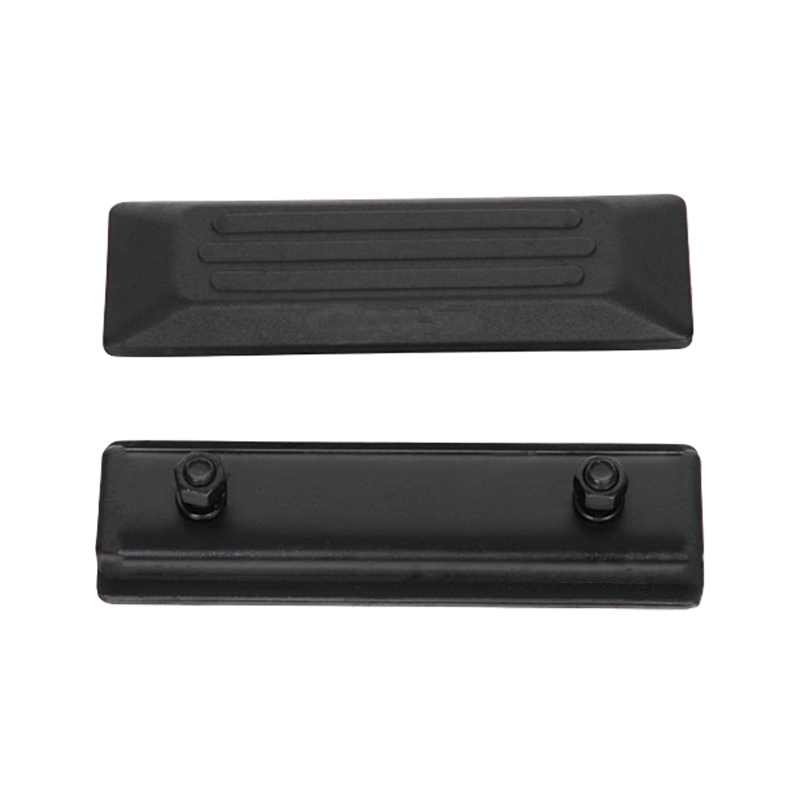
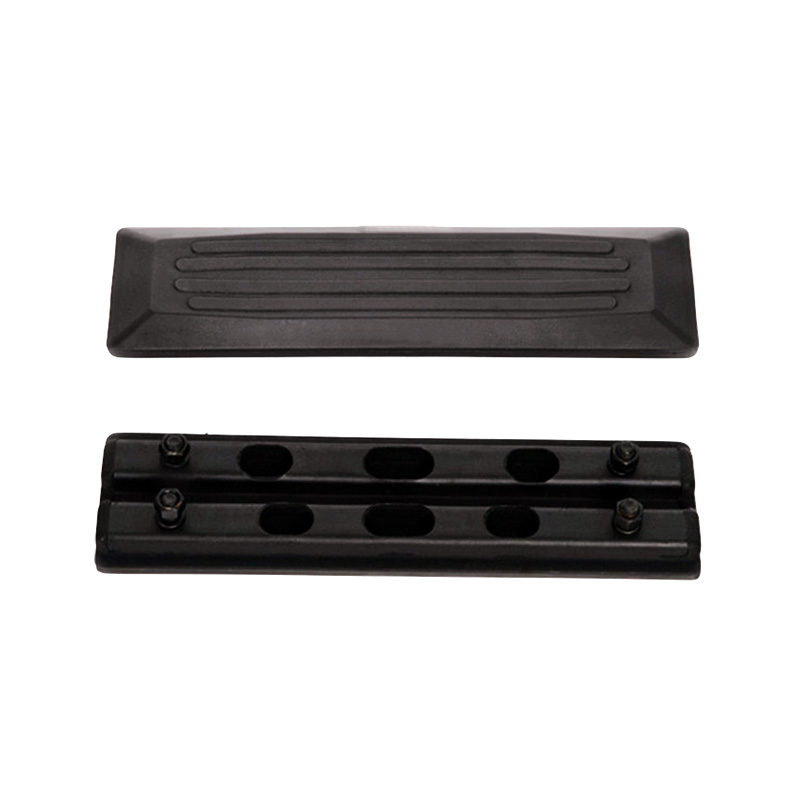
The internal metal frame serves as the structural backbone of excavator rubber track pads, providing load distribution, dimensional stability, and mechanical support under continuous operational stress. While rubber delivers flexibility and surface protection, the embedded metal structure carries the majority of static and dynamic loads generated by excavator movement. Jiangsu Wangtian Engineering Machinery Parts Co., Ltd. designs and manufactures internal metal frames as an integrated component of the overall track pad system rather than as an independent insert. Material selection for internal frames focuses on steel grades that balance tensile strength, fatigue resistance, and weldability. Steel must endure repetitive compression and shear forces while maintaining shape accuracy throughout long service cycles. Jiangsu Wangtian Engineering Machinery Parts Co., Ltd. operates a dedicated metal stamping workshop, enabling precise control over frame geometry, thickness, and surface condition. This internal capability ensures compatibility between metal components and rubber compounds during molding and vulcanization.
Structural design also influences how stress is distributed across the pad surface. Properly designed frames prevent localized deformation of rubber layers, reducing uneven wear and extending service life. Robotic automated welding systems used by Jiangsu Wangtian Engineering Machinery Parts Co., Ltd. ensure consistent joint strength and alignment, minimizing variability that could otherwise affect bonding quality or load transfer behavior. Surface treatment of metal frames is another factor affecting performance. Prior to rubber encapsulation, metal surfaces undergo controlled preparation to improve adhesion during vulcanization. This process reduces the risk of separation at the rubber-metal interface under repeated loading. By managing metal frame production internally, Jiangsu Wangtian Engineering Machinery Parts Co., Ltd. aligns structural integrity with rubber compound behavior, ensuring stable performance across different excavator models and working conditions.
Rubber-to-metal bonding defines the functional unity of excavator rubber track pads. Without reliable adhesion between rubber compounds and internal metal frames, mechanical loads would cause separation, leading to premature failure. Jiangsu Wangtian Engineering Machinery Parts Co., Ltd. approaches bonding as a controlled chemical and mechanical process embedded within the vulcanization stage of production. Bonding systems typically involve specialized adhesive layers that activate under heat and pressure. During vulcanization, chemical reactions occur between adhesive agents, rubber polymers, and metal surfaces, forming a stable interface capable of resisting shear and tensile forces. Jiangsu Wangtian Engineering Machinery Parts Co., Ltd. controls bonding performance by managing surface preparation, adhesive application, and curing parameters within a unified production workflow.
Surface cleanliness and texture influence bonding reliability. Metal frames are treated to remove contaminants and provide suitable surface energy for adhesive activation. Consistent surface preparation ensures uniform bonding strength across production batches. Vulcanization temperature and pressure profiles are calibrated to match compound chemistry, allowing full crosslinking without thermal degradation. Interface stability also affects long-term durability. Repeated deformation generates micro-movements at the rubber-metal interface. Strong chemical bonding reduces stress concentration at these zones, limiting crack initiation and propagation. Through in-house testing and process monitoring, Jiangsu Wangtian Engineering Machinery Parts Co., Ltd. verifies bonding integrity under simulated operational conditions. By integrating bonding control into internal manufacturing operations, Jiangsu Wangtian Engineering Machinery Parts Co., Ltd. ensures that rubber and metal components function as a unified system, supporting predictable performance and extended service life.




 OEM/ODM Excavator Rubber Pads Manufacturers



 中文简体
中文简体